It happened after I made a mistake during a field exercise one that didn’t harm anyone, but in his eyes revealed a lack of discipline. I had always been the soldier who tried harder than everyone else, the first one to wake up and the last one to leave the training yard. But effort didn’t matter when judgment slipped, and mine slipped badly.
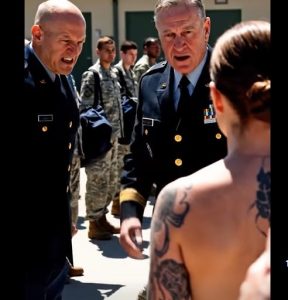
The Colonel had looked at me with a mixture of disappointment and something that felt strangely like concern.
“Son, you’re not ready. Go home before this place breaks you.”
I had saluted with a trembling hand, packed my gear, and left the base in silence.
No one saw how my chest tightened as the gate closed behind me.
No one saw me cry in the bus window reflection.
Years of Drifting
The next few years were messy.
Not disastrous just directionless.
I worked small jobs: construction sites, warehouse shifts, whatever paid the rent. My old uniform gathered dust in my closet. The military had been my identity; without it, I felt like a shadow of myself.
Every so often, I replayed the Colonel’s words in my mind. At first, I hated him for it. Then I wondered if he was right.
Maybe I truly wasn’t ready.
Maybe he saw a weakness I didn’t want to admit.
But life has a way of pushing you even when you refuse to move.
A Wake-Up Call
At twenty-four, my father suffered a heart attack. Sitting next to his hospital bed, watching machines breathe for him, something inside me snapped into focus.
He had been a quiet man, not emotional, but he always believed in me even when I returned home disgraced.
“You’re better than the things that hurt you,” he whispered once, waking up between sedatives.
Those words followed me everywhere.
After he recovered, I made a decision:
I would return to the military, but as the version of myself I should’ve been the first time.
Training Myself Back Into Shape
I couldn’t reenlist immediately. My record wasn’t bad, but the separation raised eyebrows.
So I rebuilt myself slowly, painfully, seriously.
I ran every morning, rain or shine.
I studied tactical manuals, leadership books, and anything related to discipline.
I took night classes in emergency response and logistics.
I joined a volunteer organization that helped veterans transition out of service; being around them lit a fire I thought had died.
Bit by bit, I shed the version of myself the Colonel had sent home.
Earning My Place
I rejoined training—not as a novice, but as someone who understood loss, discipline, and responsibility. When others struggled, I recognized the signs: frustration, overconfidence, doubt. I had lived them all.
Over time, the Colonel called on me more frequently. He asked my opinion during drills. He assigned me to mentor younger recruits. He trusted me.
One afternoon, after a particularly grueling training cycle, he handed me a folder.
“You’re being recommended for advanced leadership training,” he said. “You earned it.”
I opened the folder with shaking hands.
This was the moment I had been chasing for years.
A Private Conversation
Before I left for the new program, the Colonel invited me to his office. Papers were stacked neatly, and the room smelled like dust and old leather.
“You know,” he said, taking a seat, “command isn’t just about strength. It’s about knowing when someone needs to fall so they can learn how to stand.”
I swallowed hard.
“Sir… thank you for sending me home.”
He smiled—not the hard military smile, but the human kind.
“I didn’t send you away to punish you. I sent you away to save you.”