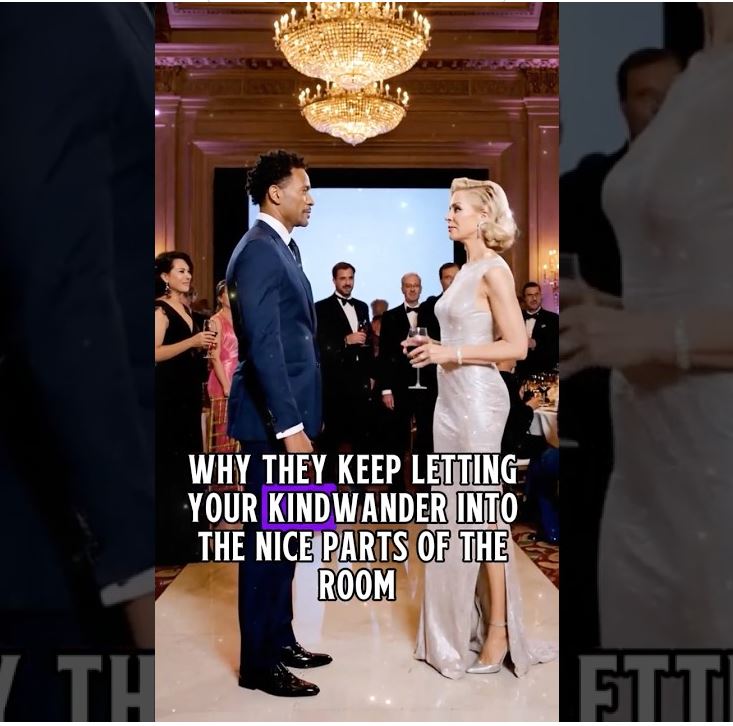
The dinner was supposed to be symbolic. A celebration. A quiet seal on a partnership years in the making.
The private dining room overlooked the city skyline, glass walls glowing with reflections of candlelight and polished crystal. The table was set with surgical precision—imported linens, custom menus embossed with gold lettering, and bottles of wine older than some of the junior executives present. Everything about the evening said control.

For Maya Kline, this dinner represented victory.
Her company, Kline Dynamics, had clawed its way from a modest startup into a global player in logistics technology. Tonight, she was hosting the final informal gathering before signing a deal that would double the company’s valuation overnight. Across the table sat Victor Hale, CEO of a multinational conglomerate known for absorbing promising firms and turning them into profit machines.
Smiles were exchanged. Compliments flowed easily. The atmosphere was warm—almost rehearsed.
“To growth,” Victor said, raising his glass.
“To trust,” Maya replied, meeting his eyes.
Around them, executives relaxed. Laughter followed. The first course arrived. This was how empires were built now—not in boardrooms, but over carefully curated dinners where nothing unexpected was supposed to happen.
Until it did.
Midway through the main course, conversation shifted toward company culture. One of Victor’s associates casually asked how Kline Dynamics handled employee turnover. Maya answered confidently, explaining their retention programs and internal mentorship.
Victor nodded slowly, then chuckled.
“That’s admirable,” he said. “Though I suppose it’s easier when you don’t have to manage… certain limitations.”
The table went quiet—not fully, but enough for tension to slip in unnoticed.
Maya tilted her head. “What limitations?”
Victor waved his hand dismissively, smiling. “Oh, you know. Some people simply aren’t built for high-pressure environments. Especially those who—how should I put it—prioritize feelings over performance.”
A few executives shifted in their seats. Someone cleared their throat.
Maya’s smile didn’t fade, but something behind her eyes hardened. “Are you referring to our leadership structure?”
Victor leaned back, clearly comfortable. Too comfortable. “I’m referring to the fact that you’ve built an impressive company despite certain… optics.”
The word hung in the air like smoke.
Maya set her fork down. Slowly. Calmly. “Be specific.”
Victor hesitated just long enough to make his next words worse. “Look, Maya, let’s be honest. Investors love results—but they still expect a certain image at the top. A softer approach, emotional leadership, diversity initiatives… they play well in press releases, but eventually someone has to make the hard calls.”
The silence this time was absolute.
Across the table sat Maya’s COO, her legal counsel, two senior partners—and three of the very executives Victor had just reduced to “optics.”
Maya inhaled once. “Are you saying my leadership team is a liability?”
Victor shrugged. “I’m saying we’d streamline things post-acquisition. Quietly, of course.”
That was the moment.
Not the insult itself—but the assumption behind it. The belief that respect was optional now that the deal was “secured.”
Maya stood.
Her chair made a sharp sound against the floor, slicing through the room. Every eye followed her.
“This dinner is over,” she said calmly.
Victor laughed, thinking it was a negotiation tactic. “Maya, let’s not be dramatic.”
She looked at him—not angry, not flustered—but resolved. “You didn’t just insult my team. You revealed exactly how you view this partnership. And it’s not mutual.”
One of Victor’s advisors leaned forward. “This deal has been finalized in principle—”
“Principles are exactly why it won’t be finalized at all,” Maya replied.
She turned to her executives. “We’re leaving.”
Shock rippled through the room. Glasses were set down hastily. No one spoke as Maya and her team walked out, heels echoing against marble like punctuation marks.