The nausea had started before sunrise, the kind that sits heavy in the chest and makes even breathing feel like work. She lay still for a few minutes, staring at the cracked ceiling above her, hoping the feeling would pass. It didn’t. Her body felt weak, her head throbbed, and the familiar knot of anxiety tightened in her stomach. Another day, she thought, forcing herself to sit up. Another day I don’t know how I’ll get through.

She moved slowly, careful not to wake her daughter sleeping on the couch beside the small kitchen table. The apartment was quiet except for the hum of the refrigerator and the distant sound of traffic outside. The room smelled faintly of instant coffee and last night’s rice—simple meals stretched over too many days. She leaned against the counter, steadying herself, and whispered, “Just a little longer. Just make it through today.”
The job she once relied on disappeared when the company downsized. The savings followed soon after—rent, bills, medication, school supplies. Each month felt like a puzzle missing half the pieces. She had learned to smile in front of her daughter, to pretend everything was fine, even when her own strength felt completely gone.
That morning, the sickness felt different. Heavier. Her hands shook as she buttoned her coat, and for a moment she considered staying home. But staying home didn’t stop the bills or the hunger. So she wrapped a scarf around her neck, gently woke her daughter, and they stepped out into the cold morning air.
The bus ride was quiet. She sat near the window, pressing her forehead lightly against the glass, watching the city wake up. People boarded with coffee cups and headphones, their lives moving forward with a certainty she felt she’d lost. Her daughter leaned against her side, small and warm, trusting. That trust hurt almost as much as it helped.
By the time they reached the community clinic, her legs felt like they might give out. The building was old, paint peeling around the windows, but it was one of the few places she could go without worrying about the cost. She signed in, her handwriting shaky, and took a seat in the crowded waiting room.
Her stomach churned. Her head spun. She closed her eyes, trying to breathe slowly, but the sounds around her—coughing, murmured conversations, crying babies—blurred together into a dull roar. She felt embarrassed by how weak she was, by how close she was to tears over something as simple as feeling unwell.
Inside the small exam room, she explained everything—the sickness, the exhaustion, the stress. She didn’t mention the nights she went to bed hungry so her daughter wouldn’t have to. She didn’t talk about the fear that followed her everywhere, the constant worry that one more setback would push them over the edge.
The doctor listened quietly, typing notes, nodding now and then. After a few tests, he sat back and looked at her with concern.
After they finished, the nurse walked her back to the waiting area. “Sit here for a moment,” she said. “I’ll get you some water.”
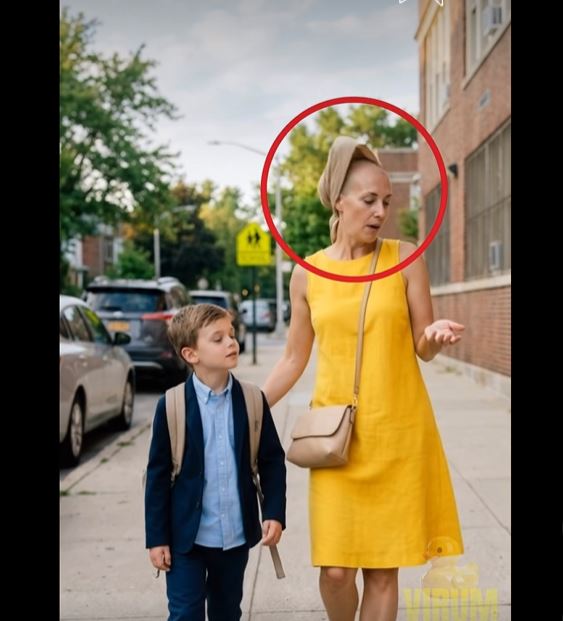
As she waited, her head still spinning, a woman across from her stood up and approached. She looked to be in her late fifties, neatly dressed, with kind eyes and a calm presence.
“Excuse me,” the woman said softly. “I hope this isn’t intrusive, but I couldn’t help noticing you earlier. Are you okay?”
The question caught her off guard. Most people avoided eye contact in places like this. She hesitated, then shrugged weakly. “I will be.”
Something in her tone—understanding, not pity—made the tears spill over before she could stop them. She covered her face, embarrassed, but the woman simply sat beside her.
The woman listened without interrupting. When she finally spoke, her voice was warm. “You’re here. You’re taking care of your child. That’s not failure.”
She reached into her bag and pulled out a folded card. “I volunteer with a local support group. We help with groceries, school supplies, sometimes even job placement. No judgment. Just help.”
“I don’t usually do this,” the woman continued, “but something told me to talk to you. Maybe it’s because I was once where you are now. Sick. Defeated. Convinced I had nothing left.”
She placed the card in her hand. “You don’t have to carry everything alone.”
For a moment, the world seemed to slow. The noise of the waiting room faded. All she could feel was the weight of that small card in her palm—and the sudden, unfamiliar feeling of hope.