New York City is currently grappling with the aftermath of Winter Storm Fern, a massive weather system that has delivered the most significant snowfall the five boroughs have seen in years. Between yesterday, Sunday, January 25, 2026, and today, Monday, January 26, the city transitioned from a bustling metropolis to a silent, white landscape, setting historical records and forcing a near-total standstill of daily operations.
Yesterday’s Record-Breaking Snowfall
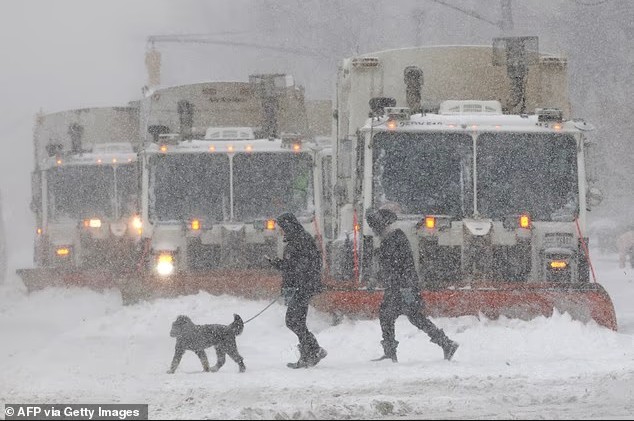
The storm began in the early hours of Sunday morning, with the Department of Sanitation (DSNY) issuing a high-level Snow Alert as early as 1:00 AM. By the time the heaviest bands of snow moved through during the afternoon, Central Park had recorded 11.4 inches of snow, officially breaking the daily snowfall record for January 25.
Other parts of the city saw even higher totals:
-
The Bronx (Fordham): 13.5 inches
-
Manhattan (Washington Heights): 13.1 inches
-
Staten Island (Westerleigh): 12.5 inches
-
Brooklyn (Williamsburg): 11.3 inches
-
Queens (JFK Airport): 9.5 inches
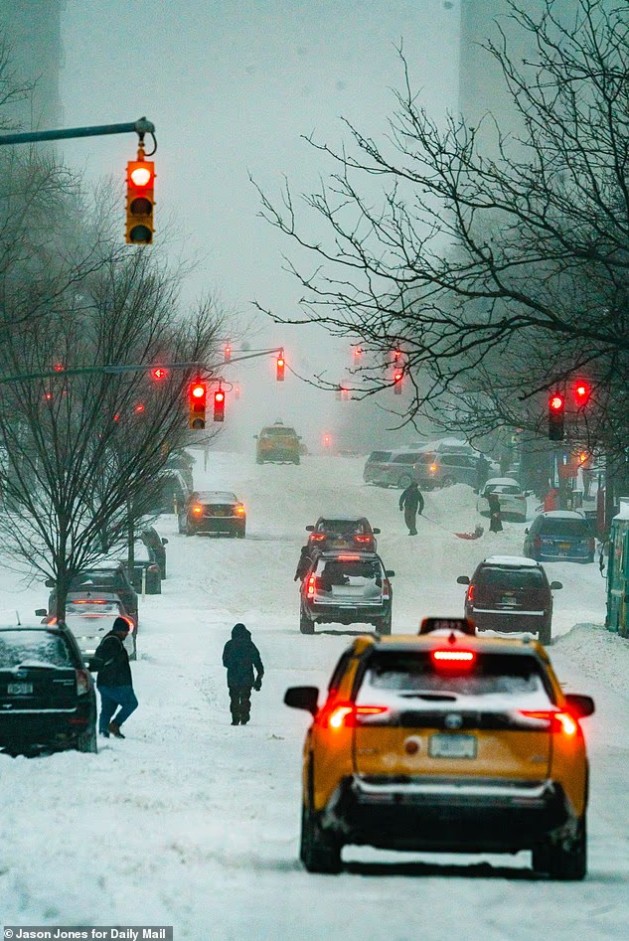
The sheer volume of snow, combined with sub-freezing temperatures, created treacherous conditions. Mayor Zohran Mamdani and Governor Kathy Hochul declared a state of emergency as visibility dropped to near-whiteout levels. Tragically, the extreme cold proved lethal; officials confirmed that multiple individuals were found dead on city streets due to weather-related circumstances during the height of the storm.
Today’s Frigid Reality and Cleanup
As of this morning, Monday, January 26, the bulk of the storm has moved offshore, but the city remains in a “deep freeze.” The current temperature in New York is a biting -6°C, with a wind chill making it feel closer to -10°C. Northwest winds at 14 mph continue to blow the fresh powder, creating drifts that complicate the “big dig” now underway.
| Weather Metric | Yesterday (Jan 25) | Today (Jan 26) |
| Condition | Heavy Snow / Blizzard | Cloudy / Lingering Flurries |
| High Temp | -3°C | -2°C |
| Low Temp | -8°C | -13°C |
| Snow Total | 11.4″ (Central Park) | Trace amounts |
| Wind Speed | 20-30 mph gusts | 14 mph |
Impact on City Infrastructure
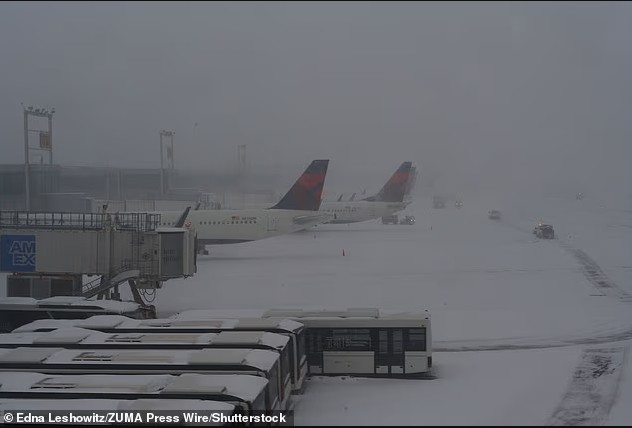
The impact on travel and education has been absolute. New York City Public Schools are closed today, with all students shifted to remote learning. While the MTA is attempting to run subways and buses on a modified schedule, commuters are facing significant delays. Major airports, including LaGuardia and JFK, are slowly resuming operations after nearly 3,000 flight cancellations yesterday.
DSNY has deployed over 2,000 sanitation workers on 12-hour shifts, using a fleet of 2,200 plows and 700 salt spreaders. Because temperatures are not expected to rise above freezing until early February, the city has activated its industrial snow melters—machines that can liquefy massive amounts of snow and send it directly into the sewer system—to clear the mountain-high banks lining residential streets.

Looking Ahead
The forecast suggests that the Arctic air mass will remain locked over the Northeast for the remainder of the week. With a low of -13°C expected tonight, New Yorkers are urged to stay indoors and check on vulnerable neighbors. The snow currently on the ground is likely to remain until at least February 3, making for a messy and frozen week ahead for the Tri-State area.
Along with the snow, the storm brought dangerous icy conditions to much of the south, with heavy machinery manufacturer Caterpillar telling employees at its remanufacturing site in Corinth, Mississippi to stay home Monday and Tuesday.
It already was Mississippi´s worst ice storm since 1994 with its biggest-ever deployment of ice-melting chemicals – 200,000 gallons – plus salt and sand to treat icy roads, Governor Tate Reeves said in a news conference Sunday.
He urged people not to drive anywhere unless absolutely necessary.
‘Do please reach out to friends and family,’ the governor asked.
Heavy ice was also reported accumulating across the interior sections of the Eastern seaboard as far south as Atlanta, as the low-pressure system driving the storm moved through the Appalachian Mountains.
Power outages then became widespread across the South, where freezing rain deposited layers of ice up to an inch thick, toppling tree limbs and transmission lines.
The onslaught of snow, ice and winds hit air travel especially hard, with major carriers forced to cancel more than 11,000 flights scheduled for Sunday, according to FlightAware.com.
Ronald Reagan National Airport, located in northern Virginia just across the Potomac River from Washington, and New York City’s LaGuardia Airport were effectively closed altogether.
Airports serving other major metropolitan areas, including New York, Philadelphia and Charlotte, North Carolina, had at least 80 percent of their Sunday flights canceled.
Meanwhile, New York Governor Kathy Hochul said she had mobilized National Guard troops in New York City, Long Island and the Hudson Valley to assist with the state’s emergency storm response.
The decree came after 17 states and the District of Columbia already declared weather emergencies on Saturday.
At the federal level, President Donald Trump called the storm ‘historic,’ as he announced on Saturday that he would approve federal emergency disaster declarations for a dozen states, mostly in the mid-South.