For centuries, humans have prided themselves on understanding the world around them. We study the weather, monitor rivers, and track the movement of storms. We rely on technology, instruments, and predictions to warn us of danger.
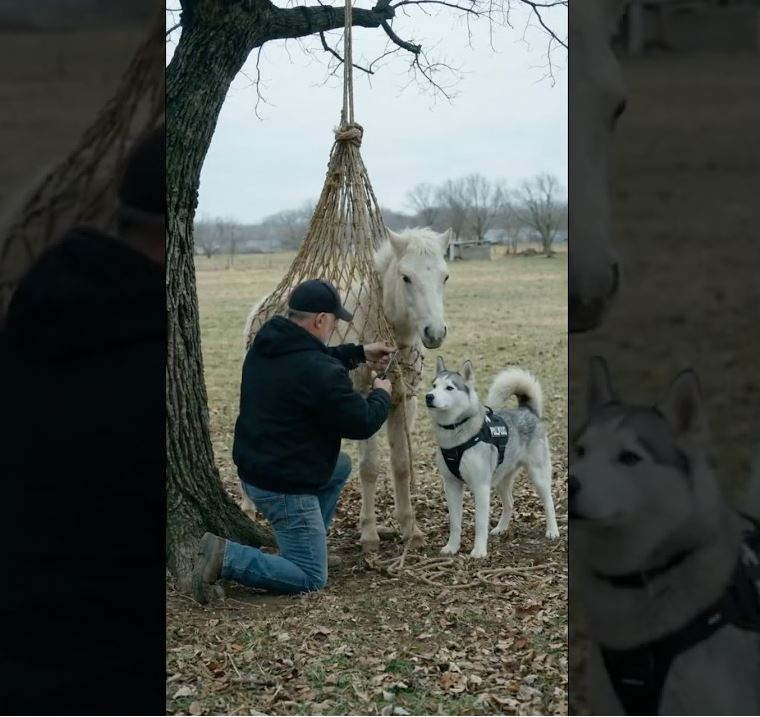
Yet sometimes, the most urgent signals come from sources we overlook: the animals that share the Earth with us, quietly observing, responding, and reacting in ways that can mean the difference between life and death.
It began in a small coastal town where the ocean met cliffs steep and jagged, a place where storms often appeared suddenly and without mercy. Fishermen had long known the signs of changing weather: the color of the sky, the smell of the air, the currents near the shore.
But recently, locals noticed another pattern—one that didn’t come from instruments or charts, but from the behavior of animals. Seagulls, usually persistent and noisy, were gathering in unusual numbers on higher ground, their cries urgent and frantic.
Dogs, left to roam the beaches, refused to go near the tide, whimpering and pacing. Cats, usually indifferent, retreated to hidden nooks, alert and watchful.
Dr. Mara Ellis, a wildlife biologist studying the region, was the first to realize the significance. She had spent years tracking animal behavior during natural disasters, noting subtle changes that often preceded earthquakes, floods, or sudden storms.
The patterns in the town were unmistakable: the animals were sensing a rise in atmospheric pressure, subtle shifts in currents, and vibrations beneath the Earth that humans could not yet detect. If someone paid attention, these signals could serve as a warning system, a chance to act before it was too late.
One afternoon, as the town went about its business, a young boy approached Dr. Ellis with a trembling voice. “The dogs won’t go near the dock,” he said. “And the seagulls… they’re all on the cliff. Something’s coming.” Most adults dismissed him as nervous or imaginative, but Mara knew better.
She watched the sky, the wind, the water, and then at the animals themselves. Every instinct she had honed told her the warnings were real. She raced to the town council, urging evacuation of boats and securing of property along the waterfront.
The officials were skeptical at first; there were no alerts, no official forecasts predicting immediate danger. But Mara’s insistence, combined with the visible unrest of the animals, convinced them to take precautionary action.
By evening, the animals’ behavior escalated. Horses in nearby stables neighed and pawed at the ground, refusing to be corralled. Chickens clucked frantically, trying to escape the coops. Even wildlife that rarely ventured close to humans—foxes, raccoons, and deer—were moving inland, seeking higher ground.
Residents who ignored these signs began to feel an unease they could not explain, a creeping sense of urgency. And then it happened: the storm arrived, fiercer than anyone had anticipated, waves battering docks and streets within minutes.
Had the townspeople ignored the subtle cues, disaster would have struck before anyone had a chance to react. Instead, thanks to careful observation of the animals, nearly all lives and property were saved.
Across the globe, similar stories were emerging. In rural Japan, dogs refused to enter certain areas minutes before an earthquake rattled the ground. In the African savannah, elephants migrated to higher terrain days before floods engulfed their usual grazing grounds.
In the Arctic, polar bears adjusted their routes as ice sheets weakened, signaling environmental changes long before satellite images confirmed the shifts. Scientists began to compile reports, connecting the dots between instinctive animal behavior and imminent human risk.
What these cases reveal is both humbling and urgent. Animals sense things we cannot yet measure. Their instincts are honed by evolution, responding to minute vibrations, shifts in pressure, and changes in chemical signatures in the environment.
While humans rely on tools and technology, these creatures operate as living sensors, capable of predicting danger before our instruments can confirm it. And while we often dismiss them as erratic or unpredictable, their actions can provide a critical early warning system.
Dr. Ellis emphasized that learning from these signals requires patience and attention. It’s not enough to notice one bird behaving oddly or a single dog refusing to follow a path.
Patterns matter: the collective behavior of multiple species over time, repeated observations, and careful documentation can reveal real threats. In a world where climate change is increasing the frequency and intensity of natural disasters, integrating these natural warnings into human response systems could save countless lives.
The challenge lies in translation. Humans are conditioned to rely on official warnings: sirens, alerts, bulletins. We need to train ourselves to also recognize the intelligence inherent in the world around us. Schools and communities can educate people on basic animal behavior cues.