The house did not feel abandoned when people walked through it. It felt paused, as if it had learned how to hold its breath and was waiting for permission to exhale again. Dust gathered on shelves that were never truly empty, sunlight crossed the floor every afternoon with patience, and the walls carried the echo of conversations that had ended years ago but never fully disappeared.
My name is Rachel Whitfield, and for a long time I believed silence was something you endured rather than something you shared.
I lived in a small town in the Midwest where people waved without asking questions and learned quickly not to press when a smile did not reach someone’s eyes. I worked at a public library, shelving books and helping children find stories they loved, then returning each evening to a house that welcomed me without asking for anything in return. I had once imagined filling that house with noise, with arguments over cereal and laughter from the hallway, but life does not always follow the plans we make when we are younger and certain that wanting something badly enough will make it happen.
After years of quiet losses that did not leave visible marks but changed me all the same, I stopped expecting my life to shift suddenly. I learned how to be steady. I learned how to wake up and go to bed without expecting something different in between.
That was when the call came.
The woman from the county office spoke carefully, the way people do when they are trained to share information that can feel overwhelming. Her name was Marilyn Knox, and she asked if I was still interested in temporary foster placement.
“There is a boy,” she said, choosing each word with care. “He is almost ten. He does not speak. Not in school, not in therapy, not anywhere. We have had difficulty finding a stable placement.”
I did not ask for a diagnosis or a detailed history. I asked one simple question.
“Is he safe right now?”
There was a pause before she answered. “He is physically safe, yes.”
That was enough.
When Marilyn arrived at my house later that week, she carried a thick folder and a quiet tension she tried not to show. She explained schedules, expectations, and procedures, but I was already listening for the sound of another presence behind her.
The boy stood on my front porch without stepping inside. He held his backpack with both hands, as if it were the one thing keeping him grounded. His hair fell into his eyes, and his gaze moved carefully around the room, learning the space before trusting it.
“This is Aaron,” Marilyn said softly.

I crouched slightly so I would not tower over him and spoke in the same voice I used with nervous children at the library.
“Hi, Aaron. I’m Rachel. You can come in whenever you’re ready.”
He didn’t respond, but after a moment, he stepped inside and stayed close to the wall. I didn’t rush him.
That first evening, we didn’t talk much. I showed him where everything was, made soup, and placed it on the table without comment. He ate slowly, watching me between bites, as if making sure the rules wouldn’t suddenly change.
After dinner, I read aloud from a book. I didn’t ask if he liked it. I simply read. He sat nearby, close enough to hear every word.
When he went to bed, he left the door open just a little.
That became our way of communicating.
Days passed quietly. I spoke to him without expecting answers, describing simple things as I went about my day. He listened. I learned to read his moods without pushing them.
I packed his lunches and slipped short handwritten notes inside, offering reassurance rather than instruction. Most came back untouched. One day, a folded note appeared on the counter. It was blank, but carefully handled.
Weeks turned into months, and the house began to change in small but meaningful ways. Aaron sat closer to me. He waited nearby when I stepped outside. When I caught a cold, I woke to find a glass of water and my book placed beside the bed.
“Thank you,” I said.
He paused, then nodded once.
People asked questions they thought were harmless.
“Has he said anything yet?”
“Do you think he ever will?”
“Isn’t it difficult not knowing?”
“He communicates all the time,” I would say. “Just differently.”
The adoption paperwork arrived on a rainy afternoon. I let it sit for hours before opening it. That evening, I spoke gently.
“Nothing is changing right now,” I told him. “But if you ever want to stay here permanently, you can. You don’t have to decide. You don’t have to say anything.”
He turned off the faucet and looked at me, really looked at me.
He nodded.
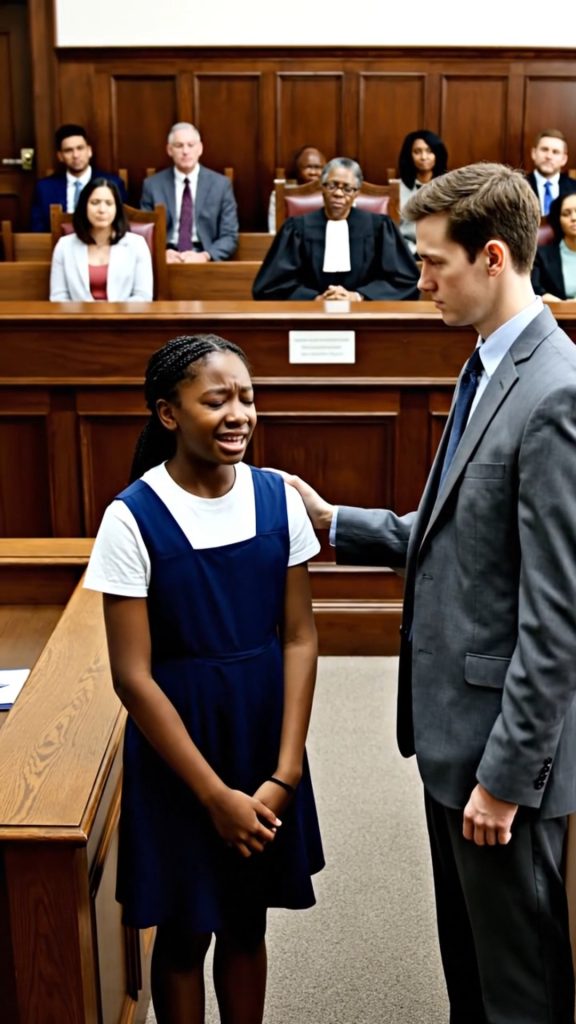
The court hearing was calm and respectful. The judge explained everything clearly and assured Aaron that speaking was optional.
After a long pause, Aaron chose to speak. His voice was quiet but steady.
He spoke about waiting, about uncertainty, about learning to be careful with words. He spoke about books read aloud, warm drinks on cold nights, and a home that never rushed him.
“I didn’t stop talking because I forgot how,” he said. “I stopped because I was afraid of losing another place that felt safe.”
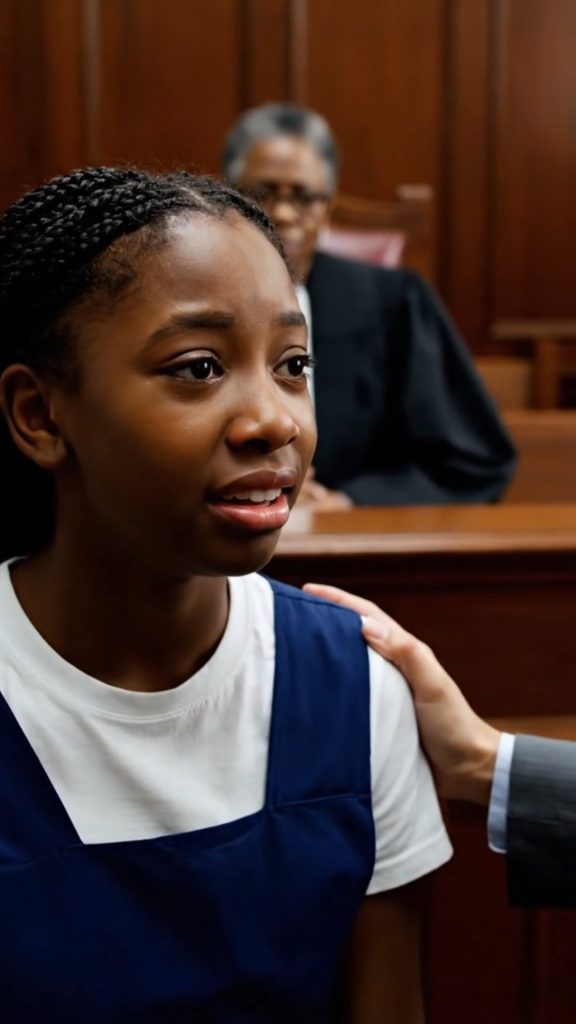
“I want her to be my mom,” he finished. “She already is.”
The decision was finalized.
That night, back home, Aaron picked up the book.
“Can I read tonight?” he asked.
The house didn’t become loud. It didn’t need to.
It learned how to breathe again.