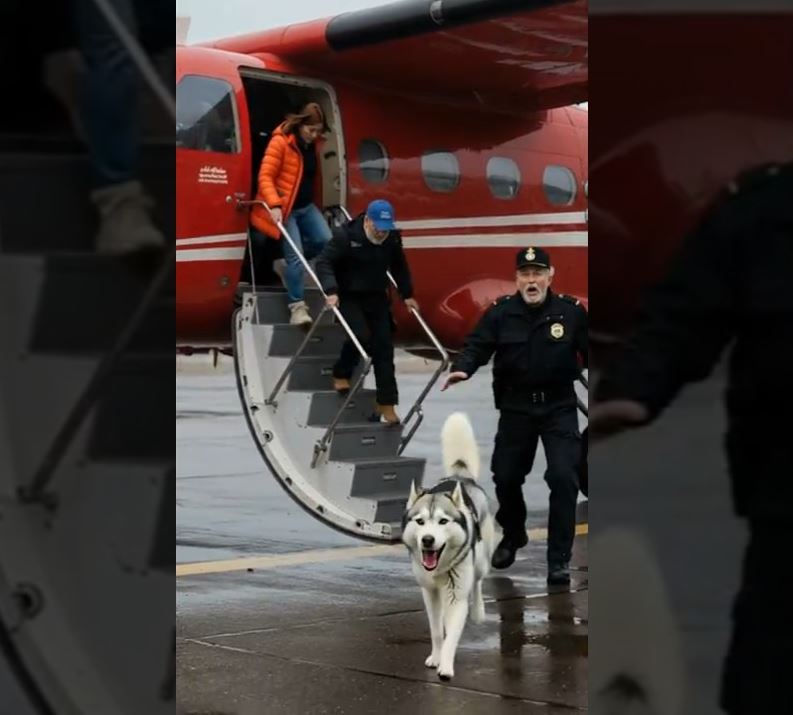
Animals have been warning humans since the beginning of time—long before science learned how to read the signs, long before technology tried to predict danger. Their warnings are not spoken in words, but in instincts, behavior, and sudden urgency that too many people ignore until it’s too late.
What humans often dismiss as coincidence or “animal behavior” has, again and again, proven to be nature’s earliest alarm system.
Across cultures and centuries, animals have sensed danger before earthquakes, floods, fires, storms, and even human-made disasters. Birds abandoning their nests. Dogs howling endlessly into the night. Cattle refusing to move. Cats fleeing homes hours before the ground begins to shake. These are not myths. They are patterns—warnings written in behavior instead of language.
Animals live closer to the earth than humans ever will. They feel vibrations through their paws, hooves, and bodies. They hear frequencies humans cannot detect. They smell changes in the air that signal danger long before clouds darken or sirens sound. When animals panic without an obvious reason, it is often because they know something humans do not—yet.
History is filled with chilling examples. In 1975, before the devastating earthquake in Haicheng, China, snakes emerged from their burrows in the middle of winter, freezing on the streets. Dogs refused to enter homes. Horses broke loose from their stables. Officials, unusually attentive to these signs, ordered evacuations that saved thousands of lives. Just one year later, in Tangshan, similar animal warnings were ignored—and over 240,000 people died.
Before tsunamis, animals flee inland. Elephants break chains. Dogs drag owners away from beaches. Flamingos abandon shallow waters. In the 2004 Indian Ocean tsunami, countless animals survived while entire human communities were destroyed. Survivors later said they remembered animals acting strangely—running, screaming, refusing to stay—but no one understood the warning until the ocean rose like a wall.
Animals also warn humans about danger on a smaller, more personal scale. Dogs growl at people who later turn violent. Horses refuse to be ridden on unsafe trails. Cats hiss at areas later discovered to have gas leaks. Even farm animals have refused to enter barns that would later collapse. These moments are often brushed off as stubbornness or fear, but time and again, the animals are proven right.
One of the most powerful warnings animals give is about environmental destruction. When bees disappear, crops follow. When fish die, water is poisoned. When birds fall silent, ecosystems are collapsing. Animals do not protest. They do not write reports. They simply leave—or die. And by the time humans notice, the damage is already deep.
There is also a moral warning hidden in how animals react to humans themselves. Animals trust kindness and fear cruelty instantly. They recognize calm hearts and violent intentions without explanation.
A dog does not need evidence to know who is dangerous. A horse does not need logic to sense instability. When animals consistently react with fear, aggression, or avoidance toward certain people or places, it is often a warning about something broken beneath the surface.
Perhaps the most tragic part of these warnings is how often humans ignore them out of arrogance. Modern society believes technology is superior to instinct. Data is trusted more than behavior. Screens are believed more than living creatures. And yet, when systems fail, when power goes out, when alarms malfunction, it is often animals who react first—and correctly.
Animals do not overthink. They do not doubt their senses. They do not wait for permission to act. When danger approaches, they move. That is the lesson humans keep forgetting.
There is something deeply humbling about realizing that survival does not always belong to the smartest species, but to the most attentive one. Animals remind humans that the world speaks constantly—through vibrations, silence, restlessness, and fear. The warning is always there. The question is whether anyone is listening.
Ignoring animals is not just ignoring nature. It is ignoring an ancient system of survival that predates human language itself. When a dog refuses to walk forward. When birds vanish overnight. When animals act “strange” all at once—those moments are not meaningless. They are messages.
Animals are not here just to coexist with humans. They are guardians, sensors, and messengers woven into the fabric of life. Their warnings are not dramatic. They are subtle, urgent, and honest. And if humans learned to respect them instead of dismiss them, countless lives—human and animal alike—could be saved.