Cloves are a familiar ingredient in many kitchens around the world. You’ve likely come across them in baked goods, warm drinks, or savory dishes, where they add a distinctive combination of sweetness and spice. While they are widely appreciated for their flavor, cloves have also been traditionally associated with a range of potential health-related properties.
This guide takes a closer look at cloves—their origin, common uses, and what makes them such a valued spice across different cultures.
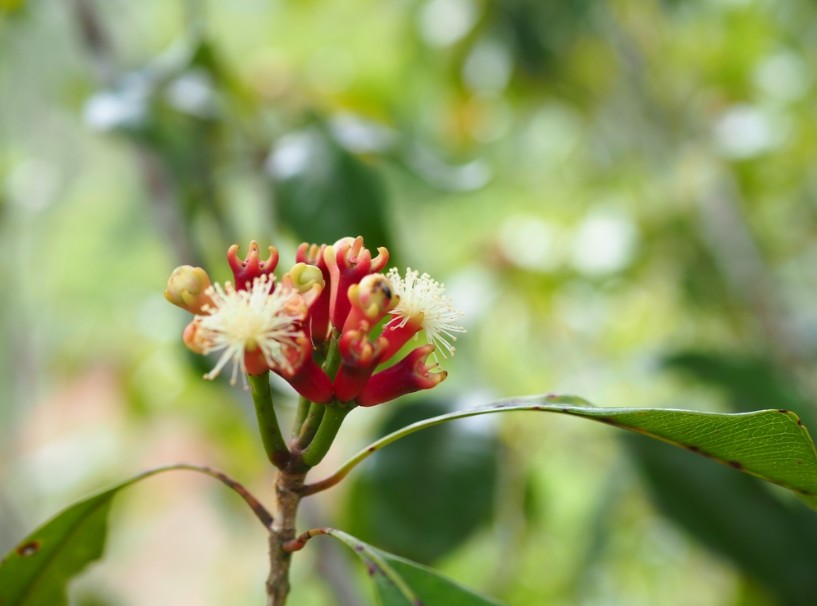
Cloves are actually the dried flower buds of a tree scientifically known as Syzygium aromaticum. If you’ve ever noticed their shape and thought they resembled tiny flower buds, that’s exactly what they are. These buds are harvested before they bloom, which helps preserve their aroma and flavor.
The clove tree is an evergreen species originally native to the Maluku Islands in Indonesia, often referred to as the “Spice Islands.” Today, cloves are cultivated in several tropical regions around the world where the climate is warm and humid. The trees thrive in rich, well-drained soil and require consistent rainfall to grow properly.
Under the right conditions, a clove tree can reach heights of up to 30 feet. It produces small, fragrant flower buds that begin as a bright crimson color. These buds are carefully hand-picked at just the right time, ensuring quality and consistency.
After harvesting, the buds are dried—often under the sun—until they develop the deep reddish-brown color most people recognize. This drying process can take several days or longer, depending on the method used. The result is the aromatic spice commonly used in kitchens worldwide.
Beyond cooking, cloves have been used in traditional practices for their strong aroma and natural compounds. Some people include them in teas, spice blends, or home remedies. W
hile research is ongoing, cloves are known to contain compounds such as eugenol, which contributes to their characteristic scent and has been studied for various properties.
In everyday use, cloves are incredibly versatile. They can be added whole to soups and stews for depth of flavor, ground into spice mixes, or infused into hot beverages like tea or cider.
ven a small amount can have a noticeable impact, which is why they are typically used in moderation.
However, like many spices, cloves should be used thoughtfully. Consuming them in typical culinary amounts is generally considered safe, but concentrated forms—such as clove oil—should be used with caution and preferably with guidance, especially for children or sensitive individuals.
Incorporating cloves into your routine doesn’t require major changes. You can start by adding a pinch to your favorite recipes, experimenting with spice blends, or simply enjoying them in warm drinks during colder seasons.
At their core, cloves are more than just a kitchen staple. They represent a long history of cultivation, tradition, and everyday use—bringing both flavor and cultural richness to meals around the world.