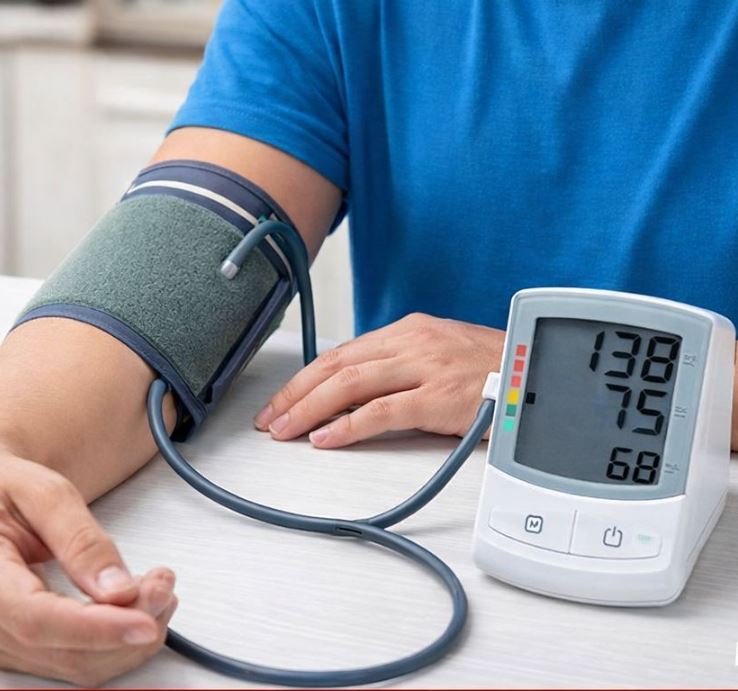
For many years, people were told a simple rule: “Normal blood pressure is 100 plus your age.” For example, a reading of 140/90 might have been considered acceptable for someone in their 40s or older. While this idea was once common, it is now considered outdated and no longer reflects current medical understanding.
Today, major health organizations emphasize that blood pressure should not be judged differently based on age alone. Research has shown that elevated blood pressure can affect the body at any age, increasing the risk of heart disease, stroke, and other complications over time.
In the past, it was widely believed that higher blood pressure was a natural part of aging. However, current evidence suggests otherwise. Blood vessels do change with age, but that does not mean higher pressure is harmless or necessary. In fact, consistently elevated blood pressure can gradually damage arteries and vital organs, regardless of a person’s age.
Another outdated belief was that readings like 140/90 were acceptable, especially for older adults. More recent guidelines, including those introduced in 2017 by organizations such as the American College of Cardiology and the American Heart Association, lowered the general threshold for high blood pressure to 130/80 for adults. This change reflects growing evidence that earlier management can help reduce long-term health risks.
There was also concern in the past about treating high blood pressure in older adults, with some believing it could do more harm than good. However, large clinical studies, such as the SPRINT trial, have shown that managing blood pressure effectively—even in people over 75—can lower the risk of serious outcomes like heart attacks and strokes.
That said, treatment is not one-size-fits-all. Healthcare providers often consider the overall health, lifestyle, and medical history of each individual before recommending specific targets or medications. The goal is to find a balanced approach that supports long-term health while minimizing potential side effects.
The key takeaway is simple: blood pressure is an important indicator of health at every age. Rather than relying on outdated formulas, it’s better to follow current medical advice and monitor readings regularly.
If you have concerns about your blood pressure, the safest step is to consult a qualified healthcare professional who can provide guidance tailored to your situation. Staying informed and proactive can make a meaningful difference in maintaining overall health and well-being over time.