The morning traffic moved steadily along a quiet country road as the first light of day spread across the rolling hills.
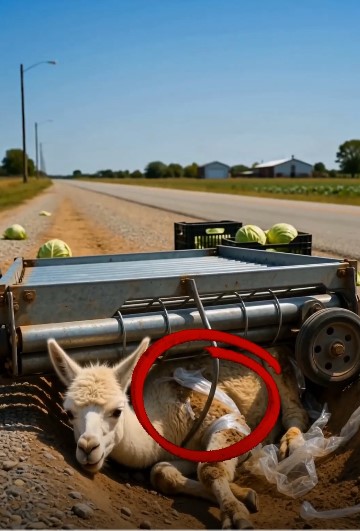
Farmers were beginning their daily routines, and a few travelers made their way toward nearby towns. It seemed like an ordinary morning until one driver noticed something unusual near the roadside.
Hidden behind a patch of tall grass was an alpaca standing in an awkward position, barely moving as vehicles passed by.
Concerned that something was wrong, the driver safely pulled over and took a closer look. From a distance, the alpaca appeared calm, but as the person approached, it became clear that the animal was struggling.
It stood inside a narrow roadside ditch, surrounded by loose soil and thick vegetation. Every attempt to climb out had left deep hoof marks along the steep sides, but the slippery ground offered very little support.
The alpaca looked tired after what appeared to have been many unsuccessful attempts to reach solid ground.
Its soft coat was covered with dust and bits of dried grass, and it watched the approaching stranger with cautious but hopeful eyes.
Realizing the situation required professional assistance, the driver contacted local animal rescue volunteers. While waiting for help to arrive, the person stayed nearby to keep watch and ensure passing traffic remained aware of the animal’s location.
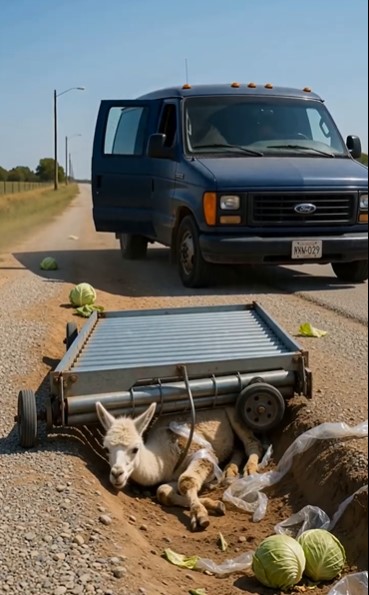
Within a short time, a rescue team arrived with equipment designed for safely assisting large animals. They parked their vehicle well away from the road, placed warning signs for approaching drivers, and carefully evaluated the area before beginning the rescue.
Their first priority was making sure both the alpaca and the rescuers would remain safe throughout the operation.
The ditch was deeper than it first appeared, and recent rainfall had left the soil soft and unstable.
The rescuers avoided rushing into the situation. Instead, they spent several minutes studying the safest approach while speaking quietly to keep the alpaca as calm as possible.
The animal remained alert but surprisingly cooperative. Although it stepped backward whenever someone moved too quickly, it never showed signs of aggression. It simply seemed exhausted and uncertain about what would happen next.
Fresh water was offered first.
After a few cautious moments, the alpaca slowly lowered its head and drank. That simple act reassured the rescuers that the animal still had enough strength to cooperate during the rescue.
A veterinarian soon arrived to perform an initial examination. From what could be seen, the alpaca had several minor scrapes on its legs and appeared mildly dehydrated, but there were no obvious signs of serious injury.
Even so, everyone agreed that moving carefully would be the safest choice.
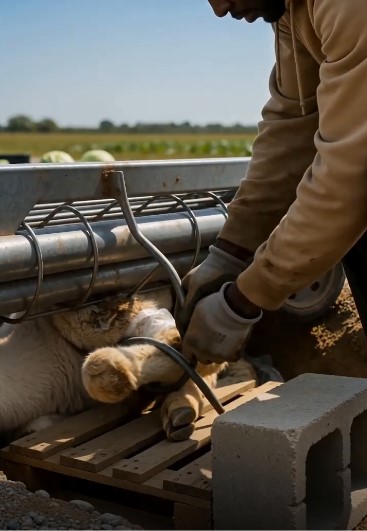
The rescue team decided not to pull the alpaca directly from the ditch. Instead, they planned to create a gradual path that would allow the animal to climb out with guidance.
Using shovels, they carefully removed loose soil from one side of the ditch, slowly shaping a gentle slope. Wooden boards were placed over softer sections of ground to improve stability, while portable livestock panels created a safe corridor leading toward open ground.
Every step was taken patiently.
Throughout the preparation, one rescuer remained close to the alpaca, speaking softly and allowing it to become comfortable with the people around it. The calm atmosphere helped reduce the animal’s anxiety, making the next stage of the rescue much easier.
Once the pathway was complete, the rescuers encouraged the alpaca to move forward.
At first, it hesitated.
The unfamiliar slope and the people surrounding it made the animal uncertain. Instead of forcing the situation, the rescuers stepped back slightly and allowed the alpaca a few quiet moments to observe its surroundings.
Gradually, curiosity replaced hesitation.
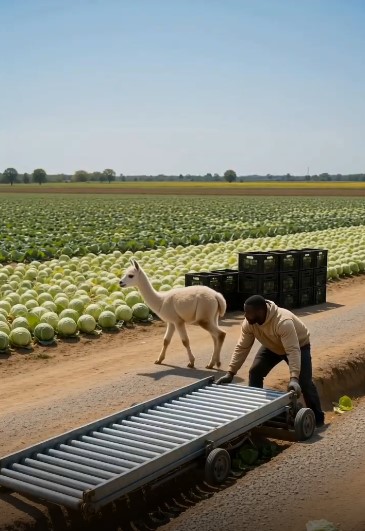
The alpaca carefully placed one hoof onto the newly prepared slope. It paused, testing the ground before taking another step.
Everyone watched quietly.
The loose soil shifted slightly beneath its feet, but the reinforced path remained stable. Encouraged by the secure footing, the alpaca continued climbing one careful step at a time.
After several tense moments, it finally reached the top.
As soon as all four feet stood safely on level ground, a wave of relief spread through the rescue team.
The alpaca remained still for a few seconds, looking around as though realizing the difficult part was finally over. Then it calmly accepted another drink of fresh water while the veterinarian completed a more thorough examination.
The results were encouraging.
Apart from dehydration, fatigue, and a few small scratches caused by the rough soil, the alpaca appeared healthy.
Alpaca Found Beside the Road During an Unexpected Moment pic.twitter.com/dLqAyICvTA
— Animal Rescue Stories (@AnimalStory5) June 28, 2026
The veterinarian cleaned the minor scrapes and recommended several days of observation, proper nutrition, and rest before returning the animal to its normal routine.
The alpaca was carefully guided into a livestock trailer lined with clean bedding for a comfortable journey to a nearby animal care facility.