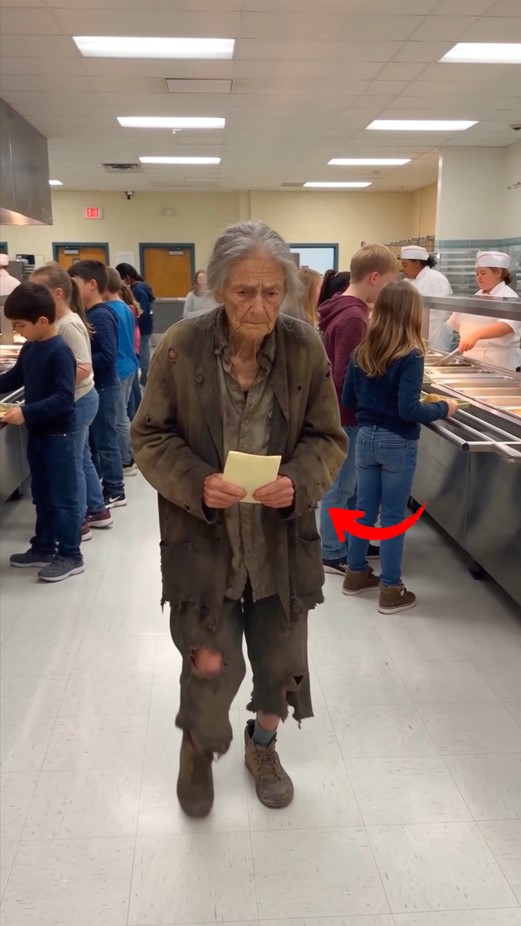
A Humiliating Morning at the Market
The morning market was crowded with shoppers, delivery workers, and vendors preparing for the lunch rush.
Inside a popular food market with an open kitchen, an elderly woman stood near the counter, carefully counting a handful of coins.
Her name was Margaret Wilson, and she wore a faded brown coat with a torn sleeve and shoes worn thin from years of use.
She had walked several blocks to buy a small container of soup and a piece of bread.
For Margaret, even a modest meal required careful budgeting.
As she reached the counter, the market manager, Victor Hale, noticed her clothing and frowned.
“Ma’am, you can’t stand there looking like that,” he said loudly.
Margaret looked up, confused.
“I’m sorry. I only wanted to buy something to eat.”
Victor glanced at the coins in her hand.
“This isn’t a charity kitchen. If you can’t afford the food, don’t hold up the line.”
Several customers turned toward them.
Margaret’s cheeks reddened as she lowered her eyes.
“I have enough for the soup,” she whispered.
Victor laughed dismissively.
“Then you should have come prepared instead of making a scene.”
Behind the kitchen counter, head chef Daniel Brooks heard every word.
He put down his knife, wiped his hands, and turned toward the manager.
“Victor, that’s enough.”
The Manager Judges Her Before Listening
Victor turned toward Daniel with visible irritation.
“I’m handling a customer issue,” he said. “Stay in the kitchen.”
Daniel stepped away from the counter.
“She’s trying to buy food. What exactly is the issue?”
Victor pointed at Margaret’s coat.
“Look at her. She has barely enough money, and now she’s holding up everyone behind her.”
Margaret immediately tried to move aside.
“I don’t want to cause trouble,” she murmured. “I’ll go somewhere else.”
She gathered her coins and began placing them inside her coat pocket.
Daniel noticed her hands trembling.
“Ma’am, please don’t leave because of this,” he said gently. “You haven’t done anything wrong.”
Margaret paused, uncertain whether he was speaking to her.
Victor shook his head.
“Daniel, we run a business. We can’t let every person who walks in here turn it into a social service.”
Daniel remained calm.
“Running a business doesn’t mean humiliating someone who wants to pay for a meal.”
A customer near the entrance quietly nodded.
Another woman placed her shopping basket on the floor, watching the argument unfold.
Victor noticed the growing audience and lowered his voice slightly.
“This woman is creating an uncomfortable atmosphere for paying customers.”
Daniel looked around at the shoppers.
“She’s standing at a counter asking to buy soup. You’re the one shouting across the market.”
Margaret looked as though she wished the floor would open beneath her.
She had spent years avoiding attention, especially when money was involved.
Her husband had died five years earlier, and since then, she had survived on a small pension and occasional help from neighbors.
She never expected strangers to solve her problems.
She only wanted to buy lunch without being treated as though she did not belong.
Daniel turned back to her.
“What would you like today, ma’am?”
“A small soup and a piece of bread, please,” Margaret answered.
“Of course,” he said.
Victor stepped forward.
“Don’t serve anything until I approve it.”
Daniel’s expression became serious.
“Then we need to discuss how you believe customers should be treated.”

The Head Chef Takes a Stand
Daniel had worked in professional kitchens for nearly twenty years.
He had seen wealthy customers complain about tiny inconveniences and exhausted workers struggle to afford the food they prepared every day.
Those experiences had taught him that a person’s clothing revealed very little about their character.
He walked to the serving counter and picked up a clean bowl.
“Would you prefer vegetable soup or chicken soup?” he asked Margaret.
“Vegetable, please,” she replied softly.
Daniel filled the bowl and placed a slice of fresh bread beside it.
Victor immediately approached him.
“I told you not to serve her without my approval.”
Daniel set the tray on the counter.
“She has enough money to pay for what she ordered.”
“That’s not the point,” Victor snapped.
“Then explain the point without insulting her.”
Victor glanced at the customers watching them.
He clearly disliked being challenged in front of his staff.
“We have standards here,” he said. “Customers need to look presentable.”
Daniel stared at him.
“Since when do we require people to wear expensive clothes to buy lunch?”
Victor opened his mouth, but no answer came immediately.
Margaret quietly counted her coins again.
“Please don’t lose your job because of me,” she told Daniel. “I can leave.”
Daniel turned toward her.
“You are not responsible for someone else’s decision to treat you badly.”
His words brought tears to her eyes.
He then addressed Victor directly.
“If there’s a genuine concern about payment or safety, handle it professionally. But you cannot invent rules because someone looks poor.”
A young employee behind the counter stopped arranging takeaway containers and listened.
She had worked at the market for only three weeks and had already witnessed Victor speaking harshly to several customers.
Until that moment, she had assumed nobody would challenge him.
Daniel handed Margaret her tray.
“Your lunch is ready, ma’am.”
She reached for her coins.
Victor stepped between them.
“Not so fast. I want to know who authorized this.”
Daniel placed one hand on the counter.
“I did. She is paying for her meal, and I will make sure she receives it.”
The market fell quiet.
For the first time that morning, Victor appeared unsure of what to say next.
A Small Detail Reveals Her Struggle
Margaret eventually paid for her soup and bread.
Daniel directed her toward a small table beside the window, away from the busy serving line.
She thanked him several times before sitting down.
As she removed her coat, Daniel noticed a neatly folded envelope resting beside her purse.
It contained several grocery receipts, a pharmacy receipt, and a handwritten list of household expenses.
Margaret noticed him looking and quickly tucked the envelope away.
“I’m sorry,” she said. “I keep everything organized because I can’t afford to make mistakes.”
“You don’t have to explain anything to me,” Daniel replied.
She hesitated before speaking again.
“My pension barely covers my rent, heating, and medicine. I usually cook at home, but my stove stopped working yesterday.”
Daniel listened without interrupting.
“I’ve been saving to have it repaired,” she continued. “I thought a bowl of soup would help until I could fix it.”
Daniel glanced at the meal in front of her.
“Have you spoken to anyone about getting it repaired?”
“Not yet. I don’t want to ask my neighbors for more help.”
She gave a small, embarrassed smile.
“They’ve already done so much.”
Daniel understood that Margaret was not looking for sympathy.
She had simply learned to manage with whatever she had, even when managing meant going without something important.
Across the room, Victor was speaking sharply to an employee near the refrigerated display.
The employee, a young woman named Emily, looked toward Margaret and then back at her manager.
She approached Daniel quietly.
“Chef, this isn’t the first time he’s done something like that,” she whispered.
Daniel turned toward her.
“What do you mean?”
Emily explained that Victor regularly made assumptions about customers based on their appearance and sometimes embarrassed employees who tried to help them.
She had never reported it because she worried about losing her job.
Daniel looked toward the manager, who was now watching them from across the market.
He realized the problem might extend beyond one unpleasant encounter.

The Owner Arrives Unexpectedly
Just before noon, the market’s owner, Anthony Reed, entered through the main doors.
He had planned to inspect the kitchen and discuss an upcoming menu change with Daniel.
Instead, he noticed several employees standing unusually quietly near the counter.
Anthony approached the serving area.
“Is everything all right?”
Victor immediately stepped forward.
“Of course. We had a minor disagreement with a customer, but I’ve handled it.”
Anthony glanced toward Margaret, who was eating her soup near the window.
“Who was the customer?”
Victor hesitated.
“An elderly woman who couldn’t really afford to be here.”
Anthony’s expression changed.
“Couldn’t afford to be here? Was she trying to steal something?”
“No,” Victor admitted. “She had enough money for the meal.”
“Then what was the problem?”
Victor explained that Margaret’s appearance had made him concerned about the market’s image.
Anthony listened carefully.
Then he asked Daniel what had happened.
Daniel described the exchange from the beginning, including Victor’s comments about Margaret’s clothes and his attempt to prevent her from receiving a meal she could pay for.
Anthony also spoke privately with Emily and another employee who had witnessed the incident.
Their accounts were consistent.
Anthony turned toward Victor.
“You are responsible for managing this market professionally. That includes treating customers with dignity.”
Victor attempted to defend himself.
“I was protecting the business.”
“Protecting a business does not mean humiliating an elderly customer,” Anthony replied.
He made it clear that customer safety and payment procedures mattered, but personal appearance was not a reason to deny ordinary service.
Anthony asked Victor to step into the office while he reviewed the incident.
Before leaving, Anthony approached Margaret’s table.
“I’m sorry you were treated that way,” he said. “You were welcome here, and you should have been treated respectfully.”
Margaret looked surprised.
“Thank you. I only wanted something warm to eat.”
Anthony nodded.
“That’s exactly what you should have been able to do.”
Market Manager Treats an Elderly Woman in Torn Clothes Unfairly, but the Head Chef Steps In https://t.co/o99LvLKzo9
— Animal Rescue Stories (@AnimalStory5) October 17, 2026
A Meal That Meant More Than Food
Several days later, Margaret returned to the market.
She wore the same brown coat, still with its torn sleeve, and carried a small shopping bag.
For a moment, she hesitated outside the entrance, remembering how Victor had spoken to her.
Then she saw Daniel through the kitchen window.
He noticed her and came out to greet her.
“Good morning, Margaret. What can we get for you today?”
She smiled.
“Vegetable soup, if you have it.”
“Coming right up.”
Daniel prepared her meal, placed the bread beside it, and charged her the regular price.
This time, Margaret sat down without feeling that she needed to apologize for being there.
Emily stopped by her table to ask how she was doing.
During their conversation, she learned that a local community center helped older residents access household repairs and heating assistance.
With Margaret’s permission, Emily gave her the center’s contact details.
Margaret later contacted the organization, which helped her find an affordable repair service for her stove.
It was a small improvement, but it meant she could prepare meals at home again.
The market also began offering clearer information about community food assistance without making customers explain their financial circumstances in public.
Daniel never made Margaret feel like a charity case.
Whenever she visited, he greeted her like any other customer.
Anthony occasionally checked in with the staff, making sure the new procedures were being followed.
And the handwritten note remained tucked inside Daniel’s kitchen apron, reminding him why he had chosen to speak up.
Margaret’s torn coat did not suddenly become new, and her financial struggles did not disappear overnight.
But she no longer felt ashamed to enter a place simply because she needed an affordable meal.
One afternoon, she thanked Daniel again before leaving.
He shook his head gently.
“You don’t owe me thanks for treating you with respect.”
Margaret smiled as she stepped through the market doors and into the afternoon sunlight.
True kindness begins when we stop judging people by what they wear and start recognizing the dignity every person deserves.