
The sound of breaking dishes interrupted the busy breakfast service at Miller’s Diner.
Emily Parker stood motionless beside a table, staring at the food scattered across the floor.
She had been carrying three breakfast plates when the tray suddenly tilted.
A cup of coffee had spilled, and two plates had fallen beside an empty booth.
Several customers turned toward the noise.
Emily immediately apologized and reached for a towel behind the counter.
Her manager, Richard Collins, approached from the kitchen with a concerned expression.
Before he could speak, Emily noticed something unusual near the fallen tray.
One of its metal handles had separated from the frame.
She picked up the broken piece, uncertain whether anyone had noticed.
Then two men entered the diner and stopped beside the entrance.
A Difficult Morning Behind the Counter
Emily had worked at Miller’s Diner for nearly three years.
She usually managed the breakfast shift with another waitress and a kitchen assistant.
That morning, however, her coworker had called in sick unexpectedly.
The diner was busier than usual because a nearby construction project had begun.
Several workers were ordering breakfast before starting their morning assignments.
Emily had been moving between tables while managing the register and drink station.
Richard helped when possible, although he was also supervising the kitchen.
When the tray broke, Emily immediately worried about the delayed orders.
She knew customers had already been waiting longer than expected.
Richard asked whether she had been injured during the accident.
Emily shook her head and explained that the tray handle had come loose.
He examined the broken metal attachment and placed the tray behind the counter.
Richard told her not to use the remaining trays until they were inspected.
Emily began cleaning the floor while another employee replaced the spilled orders.
The two men who had entered approached the counter and waited quietly.
One carried a dark leather folder, while the other wore a maintenance company jacket.
Emily wondered whether they had come to discuss the diner’s recent renovation.
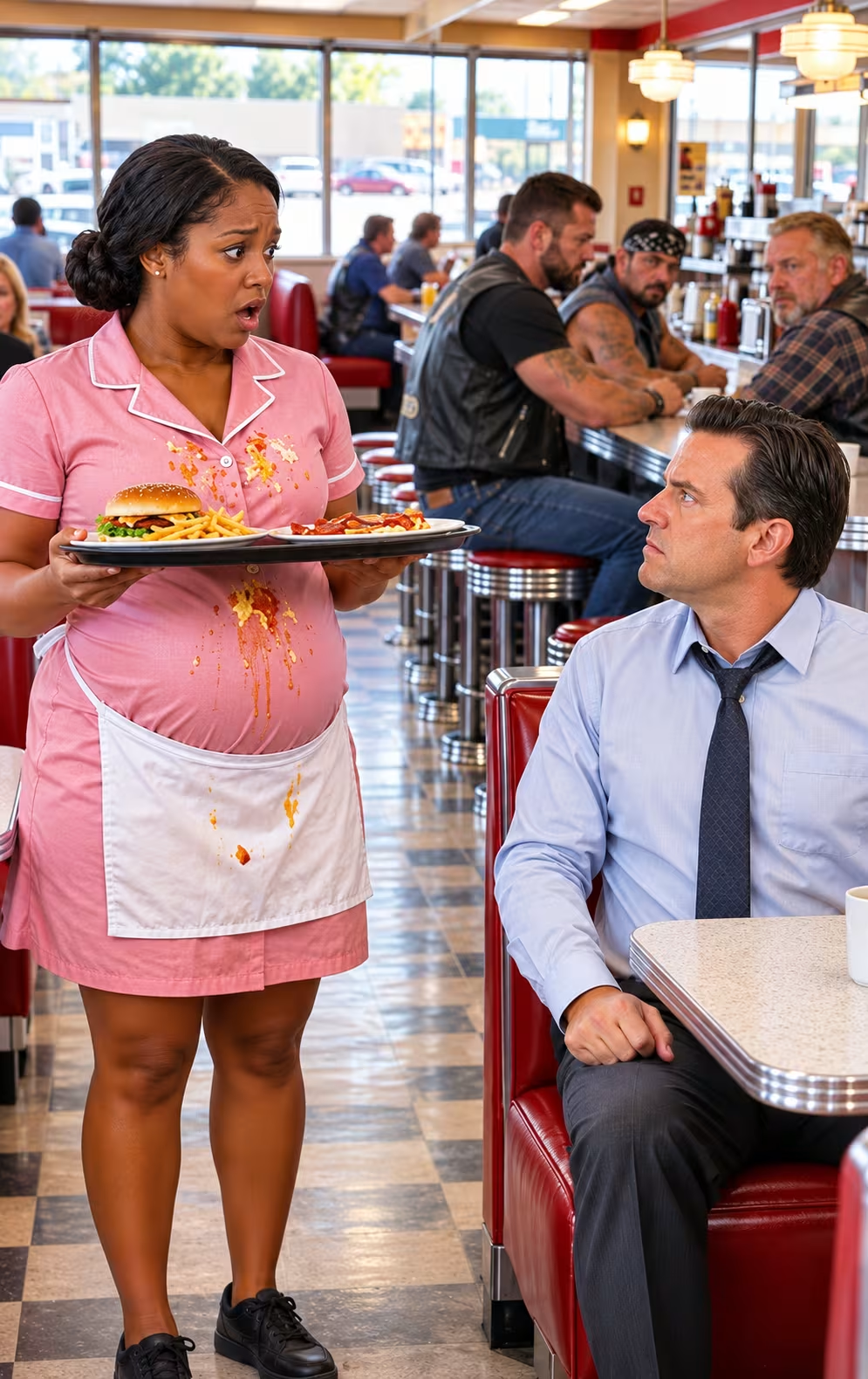
Two Visitors Notice Something Important
The older man introduced himself as Daniel Harris, a regional restaurant equipment supplier.
His companion, Michael Turner, worked as a maintenance technician.
They had arranged an appointment with Richard to inspect the diner’s kitchen equipment.
Richard greeted them and explained that an unexpected accident had interrupted breakfast service.
Daniel noticed the damaged tray resting behind the counter.
He asked whether anyone had been hurt and whether the tray was recently purchased.
Richard explained that the diner had ordered several serving trays two months earlier.
Daniel recognized the manufacturer’s label printed beneath the broken handle.
He asked permission to examine the damaged equipment more closely.
Michael inspected the attachment and noticed that its fastening bracket had cracked.
The damage appeared consistent with a manufacturing or assembly problem.
Emily explained that the handle had separated while she carried ordinary breakfast plates.
Daniel asked Richard to identify the other trays from the same delivery.
Richard retrieved two matching trays from the storage area.
Michael examined their handles and discovered similar looseness in one attachment.
Daniel advised removing the affected trays from service until they could be replaced.
Emily realized the accident might have resulted from faulty equipment rather than careless handling.
A Conversation Changes the Manager’s Understanding
Richard had initially assumed Emily lost her balance while carrying the breakfast orders.
However, the damaged handle and loose attachment suggested another explanation.
Daniel showed him how the fastening bracket connected to the tray’s metal frame.
The cracked section had separated under the weight of the plates.
Michael explained that equipment should be inspected whenever unusual movement or damage appeared.
Richard acknowledged that the trays had not been checked since their delivery.
He had assumed the new equipment was ready for regular use.
Emily remembered that one tray had felt slightly unstable the previous week.
She had mentioned it during a busy shift but had not reported it formally.
Richard admitted that he should have investigated the concern sooner.
Daniel offered to contact the supplier and document the damaged equipment.
He photographed the broken attachment and recorded the product information.
Michael recommended temporarily using the diner’s older trays after inspecting their condition.
Richard agreed and asked Emily to help identify which equipment remained suitable.
The immediate problem was resolved, but breakfast service still required attention.
Several customers were waiting for replacement meals.
Richard returned to the kitchen while Daniel and Michael completed their inspection.
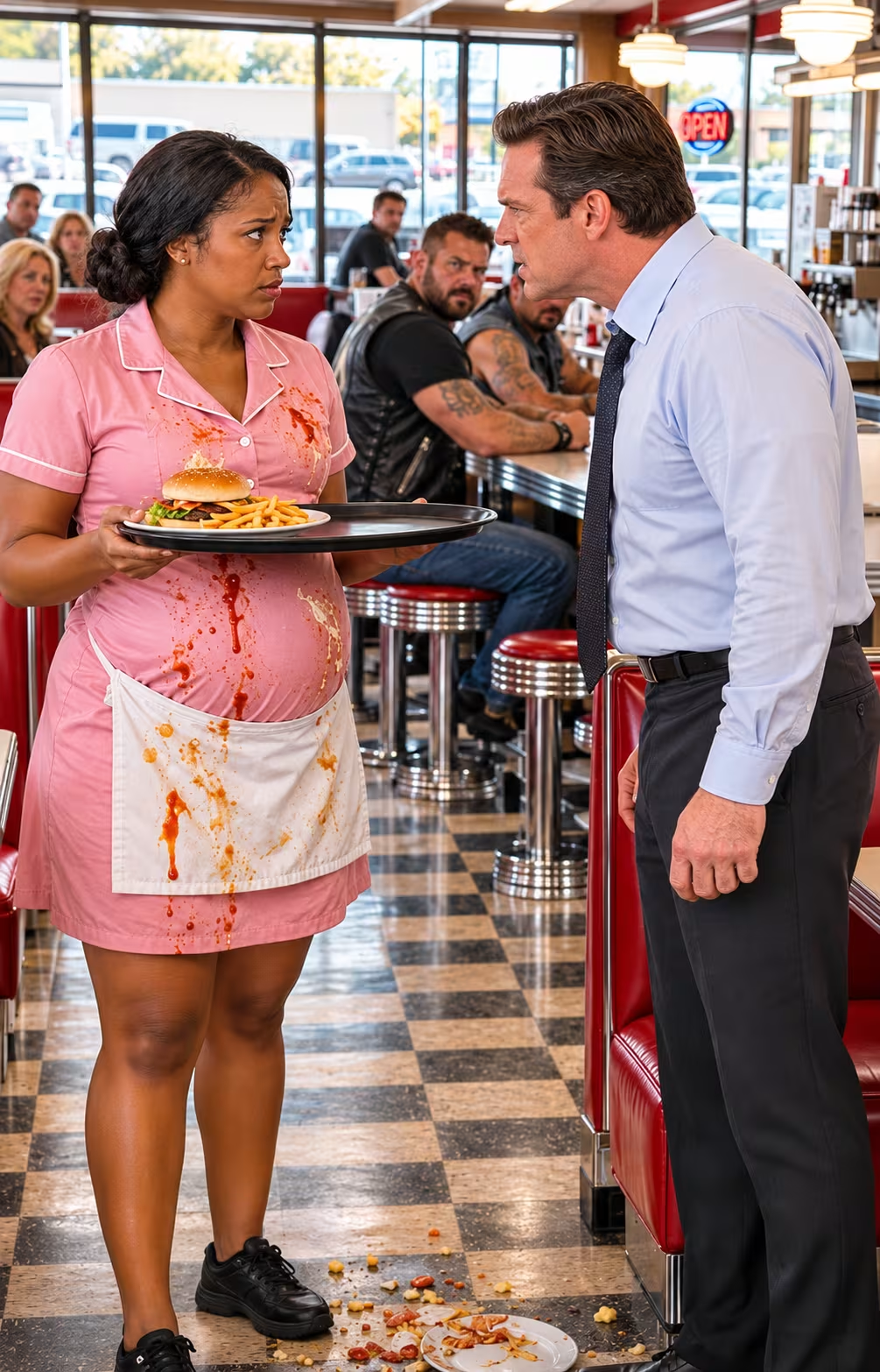
The Diner Finds a Practical Solution
Emily finished cleaning the floor and placed a caution sign near the affected area.
She then checked that no broken pieces remained beneath the surrounding tables.
Richard prepared fresh breakfasts for the customers whose orders had fallen.
Emily approached each table and explained the delay without making excuses.
Most customers appreciated receiving a clear explanation and updated waiting time.
Daniel and Michael continued inspecting the trays away from the dining area.
They confirmed that two of the newer trays should remain out of service.
The third showed no visible damage but was also set aside pending supplier guidance.
Richard decided to use the older equipment until replacements could be arranged.
Michael helped inspect the older trays before they returned to service.
Daniel contacted the supplier and submitted photographs of the damaged handle.
The supplier agreed to review the reported defect and arrange an appropriate resolution.
Meanwhile, Emily returned to serving customers with a smaller, inspected tray.
She carried fewer plates during each trip to avoid unnecessary strain.
Richard also began assisting with table deliveries while the diner remained busy.
Within the next hour, the delayed breakfast orders had been completed.
The dining room gradually returned to its usual morning routine.
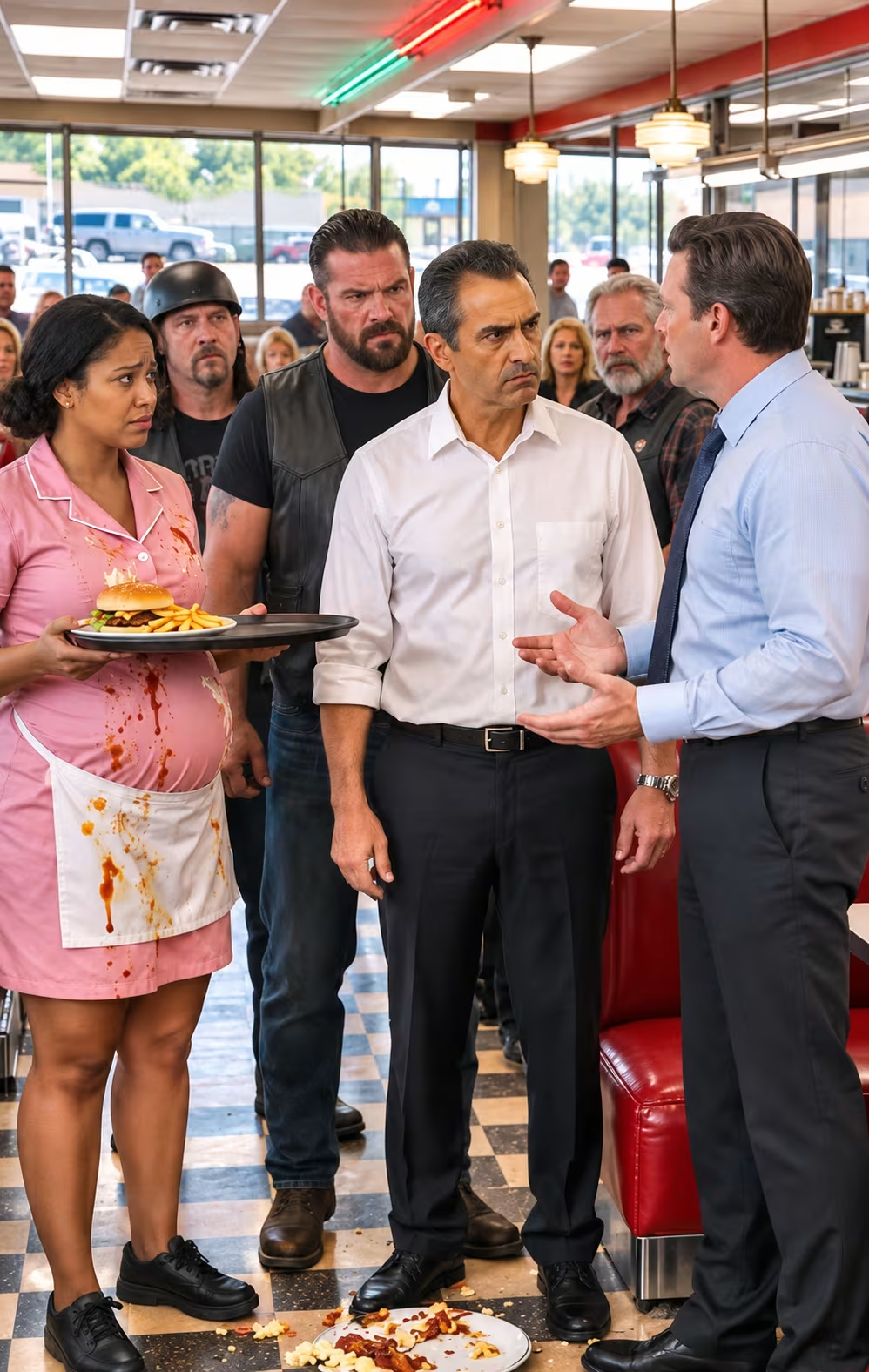
An Unexpected Opportunity for Improvement
After the breakfast rush, Richard invited Emily to join a short staff discussion.
Daniel and Michael remained available to explain their inspection findings.
Richard acknowledged that the damaged equipment had contributed to the accident.
He also apologized for initially assuming Emily had mishandled the tray.
Emily appreciated the acknowledgment but wanted to discuss another concern.
She explained that equipment problems were sometimes mentioned informally during busy shifts.
Without a clear reporting process, small issues could be overlooked.
Michael suggested introducing a simple inspection checklist for serving equipment.
Daniel recommended recording damaged items and removing them from service immediately.
Richard agreed that the diner needed a more consistent system.
He asked Emily to help develop a practical checklist for the staff.
She suggested inspecting handles, trays, and carrying surfaces before each shift.
Richard also decided to review staffing arrangements during unusually busy mornings.
He recognized that employees needed enough time to report problems properly.
Daniel promised to provide replacement information after the supplier completed its review.
Before leaving, Michael thanked Emily for keeping the broken handle.
That small detail had helped identify a problem affecting several pieces of equipment.
A Different Morning at Miller’s Diner
Several days later, the diner received replacement trays from the equipment supplier.
Richard inspected them before allowing employees to use them during service.
He also introduced a short equipment check at the beginning of each shift.
Emily helped organize the checklist and explain it to her coworkers.
The new process required employees to report loose handles or damaged equipment immediately.
Richard also arranged additional support during the busiest breakfast periods.
The changes did not eliminate every challenge of restaurant work.
However, they gave employees clearer procedures for handling unexpected problems.
Emily felt more confident knowing that equipment concerns would receive attention.
Daniel later contacted Richard to confirm that the replacement trays were working properly.
Michael’s inspection report remained in the diner’s maintenance records.
The morning accident had begun with fallen plates and a damaged serving tray.
The arrival of two equipment specialists helped identify the underlying problem.
In this fictional story, the incident led to practical improvements rather than unnecessary blame.
Richard and Emily continued working together, with a better understanding of their responsibilities.
For Emily, the most meaningful outcome was knowing that her concerns had been heard and that the diner had become a safer place for everyone working there.