Meetings often follow predictable patterns. People arrive, exchange greetings, shake hands, and take their seats. These small rituals signal respect, openness, and a willingness to engage. Because they are so common, they are rarely noticed. Until one of them does not happen.
One refused handshake changed the entire meeting, not because of what was said, but because of what was silently communicated. In a room built on assumptions and unspoken rules, a single gesture altered the atmosphere and forced everyone present to reconsider what they thought they understood.
The Setting
The meeting room was modern and carefully arranged. A long table sat at the center, surrounded by identical chairs. Glass walls reflected the morning light, giving the space a feeling of transparency and professionalism.
People arrived in pairs and small groups. Some chatted casually. Others reviewed notes on their phones. Coffee cups were placed neatly along the table. Everything suggested efficiency and routine.
This was not a meeting expected to carry tension. It was meant to be collaborative, forward looking, and respectful. At least, that was the plan.
The Gesture Everyone Expected
As introductions began, participants stood, smiled, and reached across the table. Handshakes followed naturally. Firm grips. Brief eye contact. Polite nods.
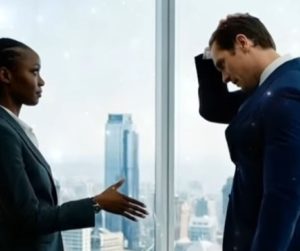
Then one person extended their hand and it was not met.
The refusal was not dramatic. There was no raised voice, no sharp movement. The hand simply remained suspended for a moment before slowly being lowered. A quiet pause replaced the expected exchange.
In that brief space, the room shifted.
Immediate Reactions
At first, people were unsure how to respond. Some looked down at their notes. Others glanced at each other, searching for cues. A few assumed it was a misunderstanding.
The person whose hand had been refused smiled awkwardly and took their seat. The refusal lingered longer than the gesture itself. It introduced uncertainty.
Meetings depend on momentum. That momentum had been interrupted.
Assumptions Begin to Surface
Without words, stories formed in people’s minds. Was it intentional. Was it personal. Was it cultural. Was it a sign of disrespect or discomfort.
Assumptions filled the silence. Some participants felt defensive on behalf of their colleague. Others felt curious. A few felt uneasy, aware that something unspoken now sat among them.
No one asked for clarification. The meeting moved forward, but not unchanged.
A Different Tone
Discussion began, but the energy had shifted. Voices were more careful. Statements were measured. People spoke with increased awareness of how they were perceived.
The refusal had introduced a question that hovered over every exchange. What did that moment mean.
Even those not directly involved felt its effect. The room had become more alert, less automatic.
The Meaning of a Handshake
A handshake is a simple act, but it carries symbolic weight. It suggests equality, mutual respect, and a willingness to engage. Refusing it challenges those expectations.
In some contexts, refusal can signal boundaries. In others, it can be interpreted as rejection. The meaning depends on perspective, experience, and culture.
What made this moment powerful was not the refusal itself, but the lack of explanation.
The Person Who Refused
The individual who declined the handshake remained composed. They listened attentively. They contributed thoughtfully. Their behavior suggested no hostility.
This contrast confused some observers. If the refusal was intentional, why was everything else so cooperative.
Slowly, a new interpretation emerged. Perhaps the refusal was not about disrespect, but about principle or comfort.
When Curiosity Replaces Judgment
As the meeting progressed, curiosity softened initial reactions. People began to focus less on the moment itself and more on the substance of the discussion.
The refused handshake became a point of quiet reflection rather than tension. It challenged participants to consider how much meaning they attach to gestures without understanding context.
Some realized how quickly they had judged without information.