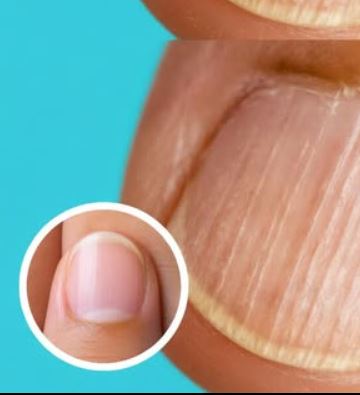
Noticing ridges on your fingernails can feel unusual at first, especially if they seem to appear suddenly or become more visible over time. However, in most cases, these changes are completely normal and part of the body’s natural processes. Nails often reflect everyday wear, hydration levels, and gradual changes that come with age.
The most common type of nail ridge is vertical ridges, which run from the base of the nail (cuticle) to the tip. These ridges tend to become more noticeable as people get older and are generally considered a natural part of nail growth. As the body ages, nail texture can change slightly, making these lines easier to see.
Vertical ridges can also be influenced by external factors. Frequent handwashing, regular use of hand sanitizers, and exposure to cleaning products can dry out the nails over time. When nails lose moisture, their surface may appear less smooth, which can make ridges stand out more. Even small, everyday impacts — like tapping or pressure on the nails — can contribute to minor surface changes.
Horizontal ridges, on the other hand, are less common and may draw more attention. These ridges run side to side across the nail and can sometimes appear after physical stress, temporary illness, or minor injury to the nail area. In some cases, they may reflect a brief pause in nail growth. When these ridges are deep, appear suddenly, or affect multiple nails at once, it may be helpful to consult a healthcare professional for further evaluation.
In general, nail ridges are not painful and rarely indicate a serious health concern. They typically grow out gradually as the nail continues its normal growth cycle. Since fingernails grow slowly, it may take some time before the surface becomes smooth again.
Taking simple steps to care for your nails can improve both their appearance and overall health. Keeping your hands and nails moisturized is one of the most effective approaches. Using a gentle hand cream or cuticle oil regularly can help maintain hydration and reduce dryness.
Staying hydrated by drinking enough water also supports nail health from within. In addition, protecting your hands during daily tasks can make a difference. Wearing gloves while cleaning or handling strong chemicals can prevent unnecessary damage and dryness.
It’s also important to treat nails gently. Using soft nail files instead of aggressive buffing tools helps avoid thinning the nail surface. Over-buffing can sometimes make ridges more noticeable rather than less.
Overall, ridges in fingernails are very common and, in most situations, are simply a reflection of normal aging, environmental exposure, and daily habits. Paying attention to basic nail care and monitoring any unusual or sudden changes is usually enough to maintain healthy nails.