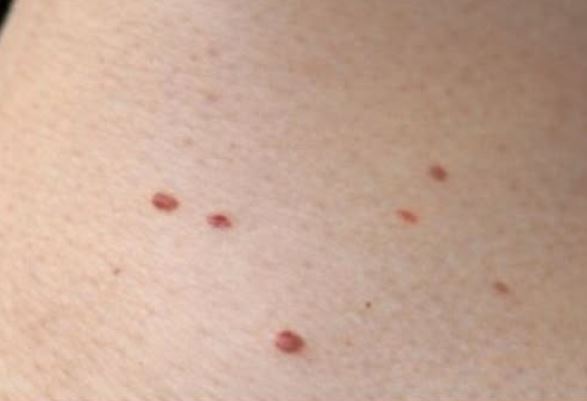
Noticing small red dots on your skin can sometimes feel concerning, especially if they appear suddenly or seem to spread. In many cases, these spots are harmless and linked to common skin conditions. However, there are situations where they may signal something that deserves closer attention.
One of the most frequent causes is cherry angiomas. These are tiny, bright red bumps formed by clusters of small blood vessels. They tend to appear more often as people get older and are generally considered harmless. While they don’t usually require treatment, they may bleed slightly if scratched or irritated.
Another type to be aware of is petechiae. These are very small red or purple dots that appear under the skin and do not fade when pressed. Petechiae can occur for different reasons, including minor physical strain, but in some cases, they may be associated with infections or blood-related conditions. If they appear suddenly without a clear reason, it’s a good idea to have them evaluated by a healthcare professional.
Skin irritation and allergic reactions are also common explanations. Conditions like eczema or contact dermatitis can lead to redness, itching, and small bumps. These reactions are often triggered by everyday factors such as soaps, detergents, fabrics, skincare products, or even certain foods. Identifying and avoiding the trigger can usually help improve the condition.
Another harmless but common condition is keratosis pilaris, sometimes referred to as “chicken skin.” It appears as small, rough bumps, typically on the upper arms, thighs, or cheeks. This happens when keratin builds up and blocks hair follicles. Although it’s not harmful, regular moisturizing and gentle exfoliation can help improve the skin’s appearance over time.
Heat rash is another possible cause, particularly in warm or humid environments. When sweat glands become blocked, small red bumps can develop, often accompanied by itching or a prickly feeling. This usually improves once the skin is kept cool and dry.
In some cases, infections — whether viral or bacterial — may lead to red spots on the skin. These are often accompanied by other symptoms such as fever, fatigue, or a sore throat. Certain medications can also cause skin reactions that look similar, making it important to consider any recent changes in treatment or routine.
Although many red spots are harmless, there are times when it’s important to seek medical advice. You should consider speaking with a healthcare professional if the spots spread quickly, persist without improvement, do not fade, or appear alongside other symptoms. Early evaluation can help identify the cause and provide appropriate guidance if needed.
Overall, small red dots on the skin are quite common and often not a cause for alarm. Paying attention to changes in your skin, along with any additional symptoms, can help you decide when to simply monitor the situation and when to seek further advice. When in doubt, a professional opinion is always the safest choice.