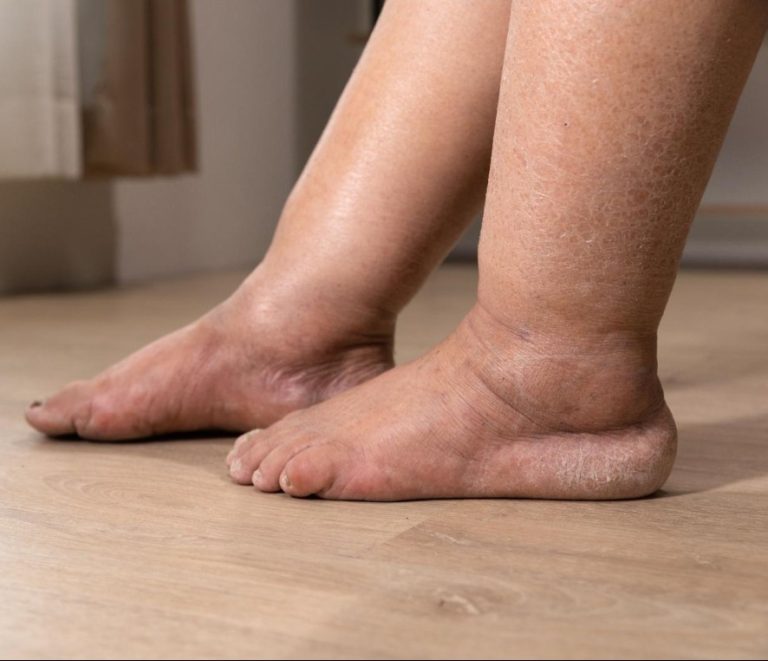
Swollen feet are a common concern among older adults and can affect daily comfort, mobility, and overall well-being. While occasional swelling after long periods of sitting or standing may not be unusual, persistent or recurring swelling can sometimes indicate an underlying issue that deserves attention.
This condition, often referred to as edema, occurs when excess fluid builds up in the tissues, particularly in the lower legs, ankles, and feet. As people age, natural changes in circulation and muscle function can make it easier for fluid to collect in these areas. Reduced efficiency in blood flow may cause fluid to settle in the lower extremities, leading to visible swelling and a feeling of heaviness or tightness.
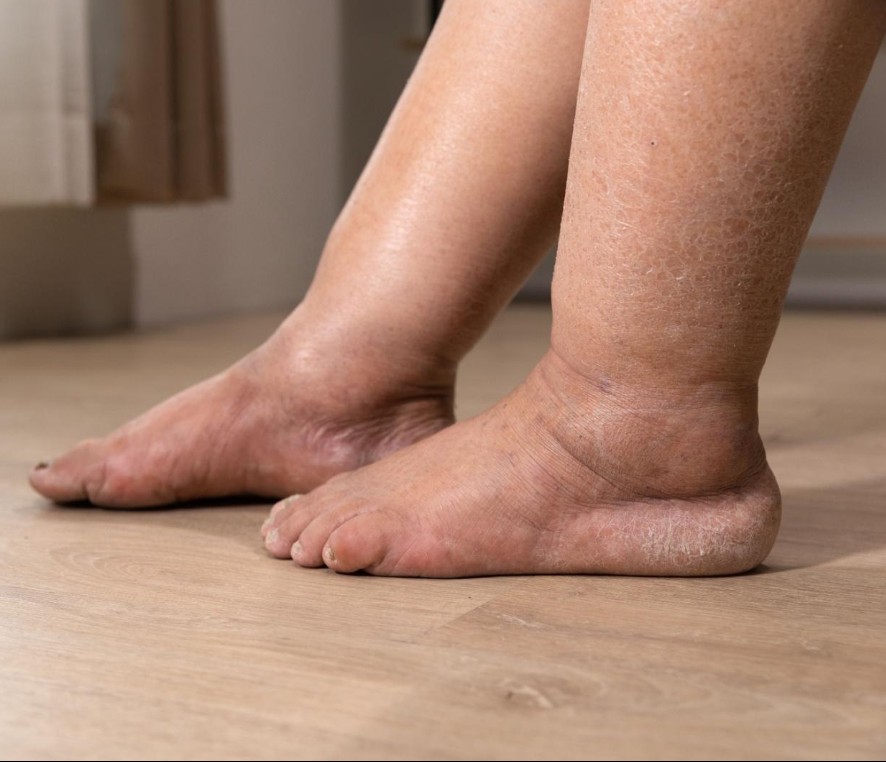
One of the most common contributing factors is limited circulation. Older adults who spend extended periods sitting or standing without movement may notice increased swelling by the end of the day. Similarly, long trips or sedentary routines can make symptoms more noticeable.
Another potential cause is chronic venous insufficiency, a condition where the veins in the legs have difficulty returning blood to the heart. Over time, this can lead to fluid accumulation, mild discomfort, and visible changes around the ankles.
In addition, certain medications may contribute to swelling as a side effect. Treatments for conditions such as high blood pressure, inflammation, or other chronic health issues can sometimes influence how the body retains fluid. Because of this, it’s important to review medications with a healthcare provider if swelling becomes frequent or concerning.
In some cases, swollen feet may be associated with broader health conditions involving the heart, kidneys, or liver. While this is not always the case, ongoing or worsening swelling should be evaluated to better understand the cause.
Daily habits can also play an important role. Limited physical activity may slow circulation, while sitting for long periods—such as during travel or screen time—can increase fluid buildup. Diet is another factor, as higher sodium intake can contribute to water retention and make swelling more noticeable.
Fortunately, there are several simple and practical ways to help manage or reduce swelling in the feet. Regular movement throughout the day can support healthy circulation. Elevating the feet when resting allows fluid to move more easily through the body. Wearing properly fitted, supportive footwear can also improve comfort.
Some individuals may benefit from compression socks, which are designed to gently support blood flow in the legs. Additionally, maintaining a balanced diet with moderate salt intake and including potassium-rich foods may help support fluid balance.
It’s important to remember that while mild swelling can be manageable, persistent or severe symptoms should not be ignored. Seeking guidance from a qualified healthcare professional can help identify the cause and determine the most appropriate approach.
Overall, understanding the factors that contribute to swollen feet can help older adults take simple steps to stay comfortable, active, and maintain a better quality of life.