A powerful winter storm sweeping across Ontario, New York, and large parts of Canada and the United States has brought life to a standstill, dumping record-breaking snow, plunging temperatures to dangerous lows, and creating widespread disruption across borders. Meteorologists describe the system as one of the most intense winter events in recent years, combining heavy snowfall with extreme Arctic air.
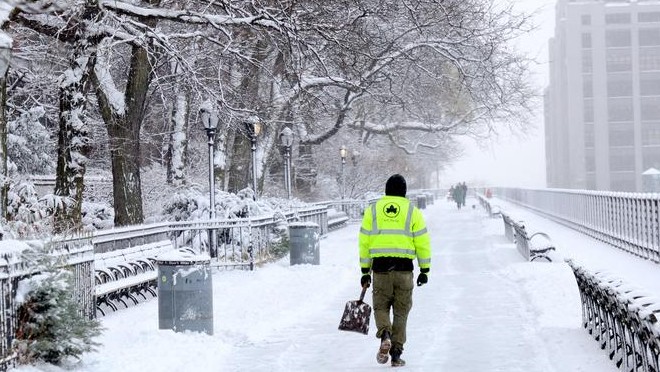
In Ontario, residents woke up to streets buried under deep snowdrifts, with some areas receiving snowfall measured in tens of centimeters within a short period. Major highways were rendered impassable, forcing authorities to close key routes and urge people to stay home unless travel was absolutely necessary. Emergency services responded to hundreds of vehicle accidents as icy roads and whiteout conditions made even short trips hazardous.
Toronto and surrounding regions experienced widespread travel chaos. Public transit services faced delays and cancellations, while airports struggled to keep up with snow removal and de-icing operations. Flights were grounded or postponed, leaving thousands of passengers stranded. Schools across the province announced closures as officials prioritized safety amid worsening conditions.
South of the border, New York faced similar challenges. Heavy snowfall blanketed large portions of the state, with strong winds reducing visibility to near zero in some areas. Rural communities were particularly affected, as snow accumulation and drifting isolated neighborhoods and slowed emergency response times. In urban areas, snowplows worked continuously to clear streets, but persistent snowfall made progress difficult.
Beyond the snow, the cold itself became a major threat. Arctic air pushed temperatures far below seasonal averages, with wind chills making conditions feel even more severe. Authorities warned of frostbite risks within minutes of exposure, urging residents to limit time outdoors and check on vulnerable neighbors, including the elderly and those without reliable heating.
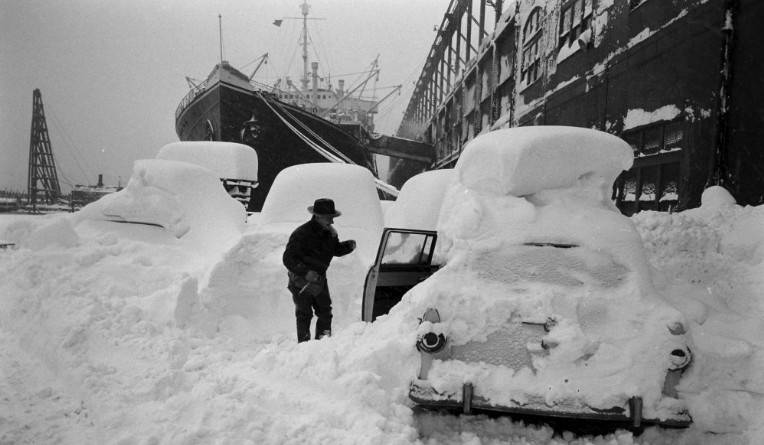
Power outages added to the crisis. Heavy snow and ice weighed down power lines and tree branches, causing widespread outages across parts of Ontario and the northeastern United States. Utility crews worked around the clock in dangerous conditions to restore service, but some communities remained without electricity for extended periods, raising concerns about heating and water access.
The storm also strained emergency services. Hospitals and first responders reported increased calls related to weather-related injuries, vehicle collisions, and exposure to the cold. Local governments opened warming centers and emergency shelters to provide refuge for those affected by outages or unsafe living conditions.
Meteorologists explained that the storm’s severity was driven by a concentrated mass of Arctic air colliding with moisture-rich systems, creating the perfect conditions for intense snowfall and bitter cold. Climate experts note that while winter storms are not new, the increasing intensity and unpredictability of such events highlight the growing challenges posed by extreme weather patterns.
Despite the hardship, scenes of resilience emerged across the region. Neighbors helped dig out stranded vehicles, shared supplies, and checked in on one another. Communities used social media to coordinate assistance, offer shelter, and spread safety information. In many places, the storm served as a reminder of the importance of preparedness and community cooperation during extreme weather events.
As conditions gradually improve, officials continue to warn that dangers remain. Melting snow followed by refreezing could create new ice hazards, and cleanup efforts are expected to take days or even weeks. Residents are urged to remain cautious, follow local advisories, and avoid unnecessary travel until conditions fully stabilize.
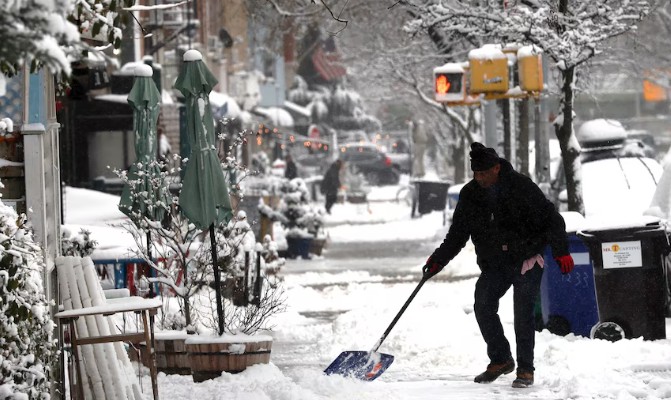
This winter storm will likely be remembered not only for its intensity but also for the widespread impact it had across borders. From Ontario to New York and beyond, it demonstrated how quickly extreme weather can disrupt daily life and how vital coordination, preparedness, and community support are in the face of nature’s most powerful forces.