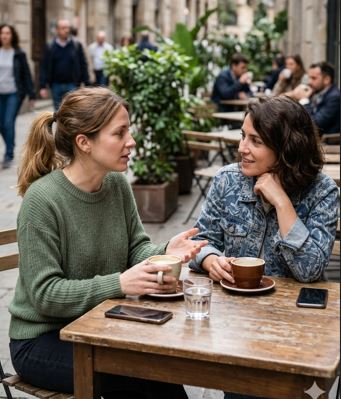
Some women move through life with a very small circle of friends — and sometimes, none at all. While this may seem unusual in a world that often celebrates constant social connection, it is not necessarily a negative trait.

In many cases, it reflects personality differences, life experiences, and a deeper approach to relationships.
For some individuals, social interaction is energizing. Frequent conversations, group gatherings, and shared routines provide a sense of belonging. For others, however, these same interactions can feel overwhelming or unfulfilling, especially when they lack depth or meaning.
Women who maintain smaller circles often fall into this second category. They may value quality over quantity and feel more comfortable in environments where conversations are genuine and thoughtful.
A key characteristic among these women is a strong preference for authenticity. They are less interested in surface-level conversations and more drawn to discussions about ideas, emotions, personal growth, and life experiences.
While casual talk has its place in building social bonds, it may not provide the sense of connection they are seeking. Over time, this difference in communication style can create distance between them and larger social groups.
This does not mean they are unfriendly or unwilling to connect. Rather, they are selective about where they invest their emotional energy.
Being selective is often misunderstood, but it usually reflects a desire for trust, mutual respect, and shared values. Instead of forming many casual connections, they may choose to build a few meaningful relationships that feel safe and genuine.
Another factor that can influence this dynamic is discomfort with gossip or social competition. Some women prefer to avoid conversations that revolve around judging others or navigating unspoken social hierarchies.
They may step back from such interactions, not out of disinterest in people, but out of alignment with their personal values. This can sometimes be interpreted as being distant or reserved, when in reality it is a form of maintaining integrity.
Many of these women also have a strong sense of independence. They are often comfortable spending time alone and may even find it restorative. Solitude allows them to reflect, think creatively, and reconnect with themselves. This inner world can be rich and fulfilling, providing a sense of stability that does not rely entirely on external validation.
However, it’s important to recognize the difference between chosen solitude and emotional isolation. Healthy solitude is empowering when it comes from self-awareness and personal preference. On the other hand, withdrawing due to fear of disappointment or past negative experiences can limit opportunities for meaningful connection.
Past experiences can play a significant role in shaping social behavior. Experiences such as broken trust, misunderstandings, or emotional hurt may lead some women to become more cautious over time.
This caution is not a weakness — it is often a form of self-protection. Still, finding a balance between protecting oneself and remaining open to new connections can be an important part of personal growth.
Ultimately, having few or no close friends does not define a person’s worth or character. It often reflects thoughtful choices, emotional depth, and a clear understanding of personal needs.
For many women, the goal is not to be surrounded by many people, but to build connections that feel real, respectful, and meaningful.
In a world that often prioritizes visibility and constant interaction, it’s worth remembering that quiet strength, self-awareness, and intentional relationships are equally valuable.